The BK Kids Club: A Nostalgic Look at 90s Burger King Marketing
The plastic Kids Club card squeaked in our hands, the scent of fresh‑grilled Whoppers drifted through the arcade, and a tiny treasure waited inside the bag. That moment still feels like a secret signal we all heard. Here’s the low‑down on the BK Kids Club, the toys, the gang, the ads, and why it still clicks with us.
Table of Contents
-
The Birth of the BK Kids Club: A 1990s Fast‑Food Phenomenon
-
Meet the Kids Club Gang: The Characters Behind the Ads
-
The Toys and Tie‑Ins: From Rugrats to Pokémon
-
The Marketing Machine: How BK Sold Fun to Kids
-
BK Kids Club vs. Happy Meal: The Ultimate Kids' Meal Showdown
-
Why It Still Hits: The Enduring Nostalgia of the BK Kids Club
-
FAQ
The Birth of the BK Kids Club: A 1990s Fast‑Food Phenomenon
Burger King rolled out the Kids Club in 1989 and kept it alive until 1999, offering a membership card, a free birthday meal, and mailed‑in magazines and calendars. The program was a direct answer to McDonald’s Happy Meal, but it added a club vibe that made kids feel like insiders.
Kids could collect monthly leaflets that featured puzzles, jokes, and printable stickers. Those leaflets have become prized finds on collector sites today. The club’s tagline , “just for fun, just for you” , echoed in TV spots that paired bright graphics with a catchy jingle.
The club’s launch coincided with a broader push to attract families during the early 90s boom in fast‑food dining. The brand leaned heavily on cross‑promotions with TV shows, which helped it stay relevant across a decade of shifting pop culture.
Our top pick for diving deeper into the era’s cartoon crossover is The Beginning of Nicktoons: How Nickelodeon Changed Cartoons Forever. It breaks down why shows like Rugrats became perfect partners for fast‑food promos.
Meet the Kids Club Gang: The Characters Behind the Ads
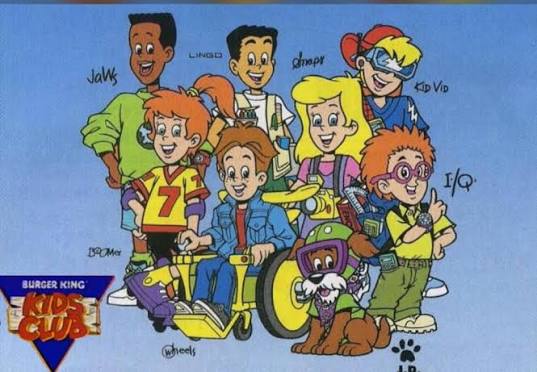
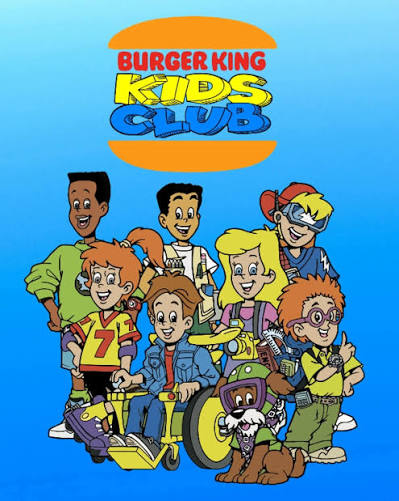
The club introduced eight mascots that starred in print ads, TV spots, and even the packaging. Jaws, Lingo, Boomer, Wheels, JD, IQ Snaps, and Kid Vid each had distinct personalities meant to appeal to different kid archetypes.
Jaws was the bold leader, often shown with a superhero cape. Lingo talked in playful slang, while Boomer was the sporty kid who loved racing. Wheels was all about speed, and JD acted like the cool older brother. IQ Snaps brought a nerdy twist, and Kid Vid loved music and dance.
These characters appeared on placemats, comic‑style flyers, and the Kids Club card itself. The design shifted each year to keep the look fresh, but the core gang stayed the same throughout the club’s run.
When the gang crossed over with a TV show, the result was a double dose of nostalgia. For example, the 1994 “Disney Parade” featured the gang riding alongside Mickey and Donald on a float, merging two beloved worlds in one ad.
Check out the full roster on LRIB Videos , Let’s Run It Back Episodes & Deep Dives for a quick visual recap of each mascot.
The Toys and Tie‑Ins: From Licensed Figures to Collectible Cards
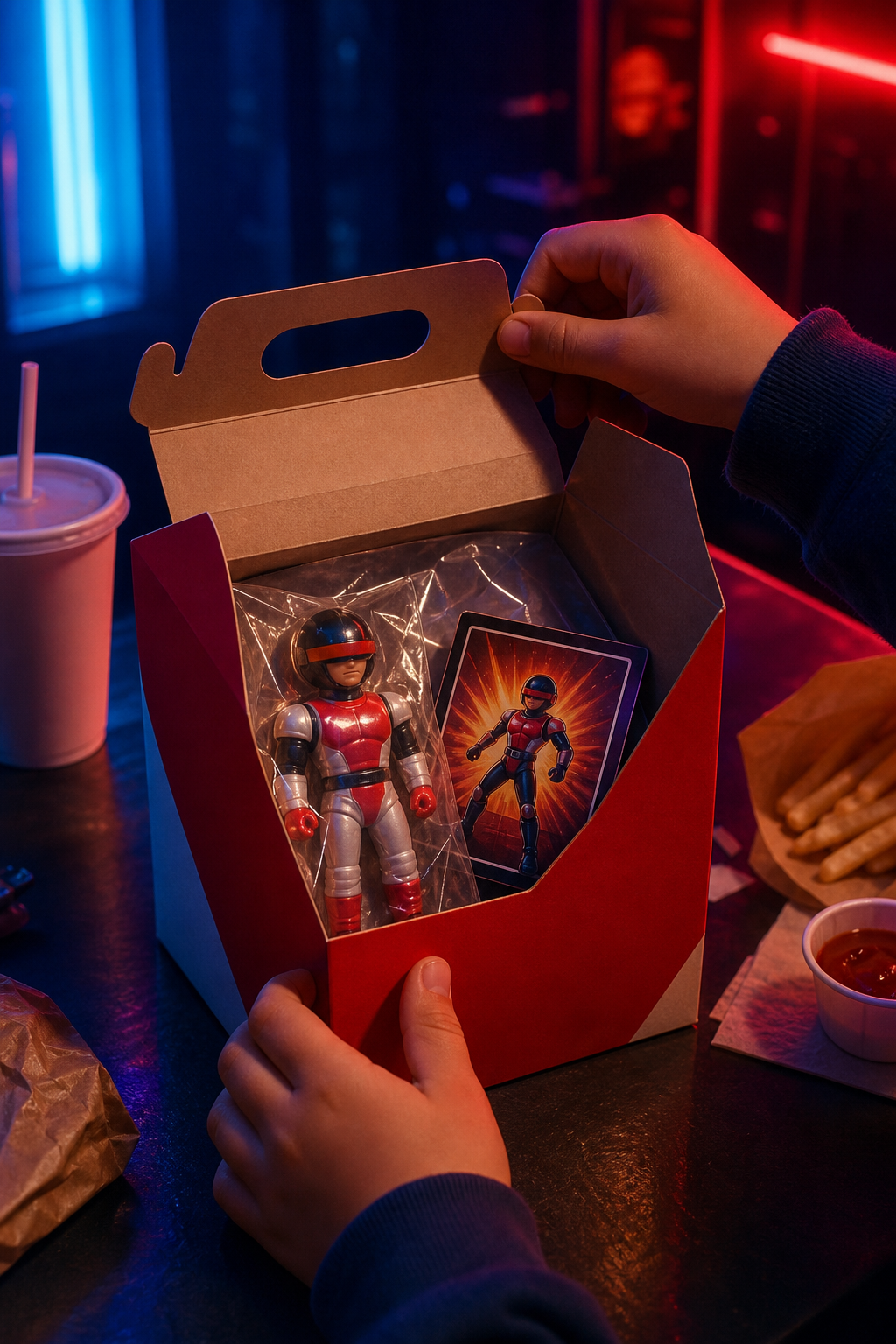
The real draw for kids was the toy that came with the meal. Early years saw original figures like the "Transporters" set in 1990, then a wave of licensed tie‑ins that matched the hottest shows.
Popular licensed figures appeared in 1998, each one a tiny version of beloved characters from a hit cartoon. Kids would line them up on the kitchen table and reenact the show’s mischief. The next year, trading cards slipped into the bag, sparking a brief collecting craze that pre‑dated the later fever.
Beyond cartoons, Burger King partnered with Disney on several fronts. The 1991 Beauty and the Beast toys, the 1992 Pinocchio inflatables, and the 1994 Lion King figurines each came with a themed game or puzzle printed on the bag.
Collectibility mattered. Leaflet series like "Save the Animals" let kids fill out album pages, while the 1995 "Gargoyles" set added a glow‑in‑the‑dark twist. Those extras turned a fast‑food purchase into a hobby.
The scarcity of certain toys, such as the 1999 Robin Hood patch, makes them hot finds on eBay today. The patch’s weekly release schedule turned the bag into a must‑have for collectors.
Fans still trade the original licensed figures on forums; the market values range from a few dollars for a common piece to over $30 for a mint‑condition set.
The Marketing Machine: How BK Sold Fun to Kids
BK built a layered campaign that hit kids on multiple fronts. First, the Kids Club card acted as a loyalty token. Kids would bring the card back for a free birthday meal, driving repeat visits.
Second, the brand flooded the airwaves with 30‑second spots that paired the jingle with fast cuts of the mascots and the latest toy. The ads ran during Saturday morning cartoon blocks, ensuring maximum exposure.
Third, printed collateral , placemats, flyers, and the monthly magazines , kept the club in the home. Those pieces often featured simple games that reinforced the brand’s name.
Key Takeaway: The multi‑channel push turned a single meal into an ongoing experience.
Regulatory pressure also shaped the program. In the early 90s, regulators began tightening rules on children’s advertising, pushing Burger King to include clear nutrition info on the packaging and to limit the amount of junk‑food tie‑ins.
BK responded by adding “Kids Club” branding in a bold box on the bag, separating the promotional content from the meal description.
Finally, the partnership with Disney gave BK a cultural shortcut. While McDonald’s relied on a single movie tie‑in, BK spread its Disney collaborations across several releases, keeping the hype fresh year after year.
Our next section pits BK’s approach against its biggest rival.
BK Kids Club vs. Happy Meal: The Ultimate Kids' Meal Showdown
Feature| Burger King Kids Club (1990‑1999)| McDonald’s Happy Meal
---|---|---
Membership Card| Yes – free birthday meal, card collection| No
Licensed Tie‑Ins| Disney, Rugrats, Pokémon, Robin Hood| Mostly Disney (e.g., Lion King), later generic toys
Print Collectibles| Monthly leaflets, calendars, magazines| Occasional activity books, less frequent
Regulatory Response| Added clear branding boxes, nutrition info| Similar regulatory changes later
Collector Market Today| High demand for leaflets & rare toys| Moderate demand, mostly for early‑90s toys
Both programs aimed to turn a snack into a collectible moment, but BK’s club model gave kids a sense of belonging that went beyond the toy itself. The free birthday meal perk made the club feel like a club, not just a gimmick.
Pro Tip: When hunting for original leaflets, search eBay for “Burger King Kids Club Adventures” , you’ll spot the exact 1992 Pinocchio set in the results.
Why It Still Hits: The Enduring Nostalgia of the BK Kids Club
Even three decades later, the BK Kids Club pops up in retro forums and YouTube deep‑dives. The mix of tangible toys, printable leaflets, and a membership badge hits a sweet spot in memory: the tactile feel of a card and the excitement of a surprise.
Collectors tell us the most sought‑after items aren’t the Disney toys but the early‑era leaflets. Those papers offered puzzles, jokes, and a glimpse into a kid‑centric world that felt exclusive.
Our community at We've Found a Kindred Spirit: A Deep Look at the 'When It Was...' nostalgia series keeps the conversation alive, sharing scans of original magazines and hosting polls on favorite toys.
And the YouTube channel Let’s Run It Back regularly posts walkthroughs of each year’s lineup, giving new fans a front‑row seat to the past.
Transmission 12: The BK Kids Club isn’t just a marketing footnote; it’s a cultural time capsule that still sparks joy when we pull out a dusty flyer.
FAQ
What was the BK Kids Club card?
The card was a plastic membership badge kids received with a meal. It let them earn a free birthday burger and collect monthly leaflets.
Which shows did BK partner with for toys?
BK teamed up with Rugrats, Pokémon, Disney’s Beauty and the Beast, Aladdin, The Lion King, and even Robin Hood, among others.
Are original BK Kids Club toys valuable?
Some toys, like the 1998 cartoon-themed figures in mint condition, can fetch $20‑$40 on resale sites. The rarer Robin Hood patch sells for even more due to limited runs.
How did regulations affect the Kids Club?
Government guidelines forced BK to add clear branding boxes and nutrition info on the bag, separating the promotional content from the food description.
Where can I see the original ads?
Archives of TV spots live on YouTube; the channel ClassicCommercials4U has a 1990 Kids Club commercial, and the Let’s Run It Back playlist curates many more.
Ready to dive back into the vault? Grab the latest LRIB Nation newsletter, scroll through our retro photo galleries, and start hunting for those hidden leaflets. The nostalgia train is waiting , hop on.
Comments (0)
Sign in to join the discussion.