The Beginning of Nicktoons: How Nickelodeon Changed Cartoons Forever
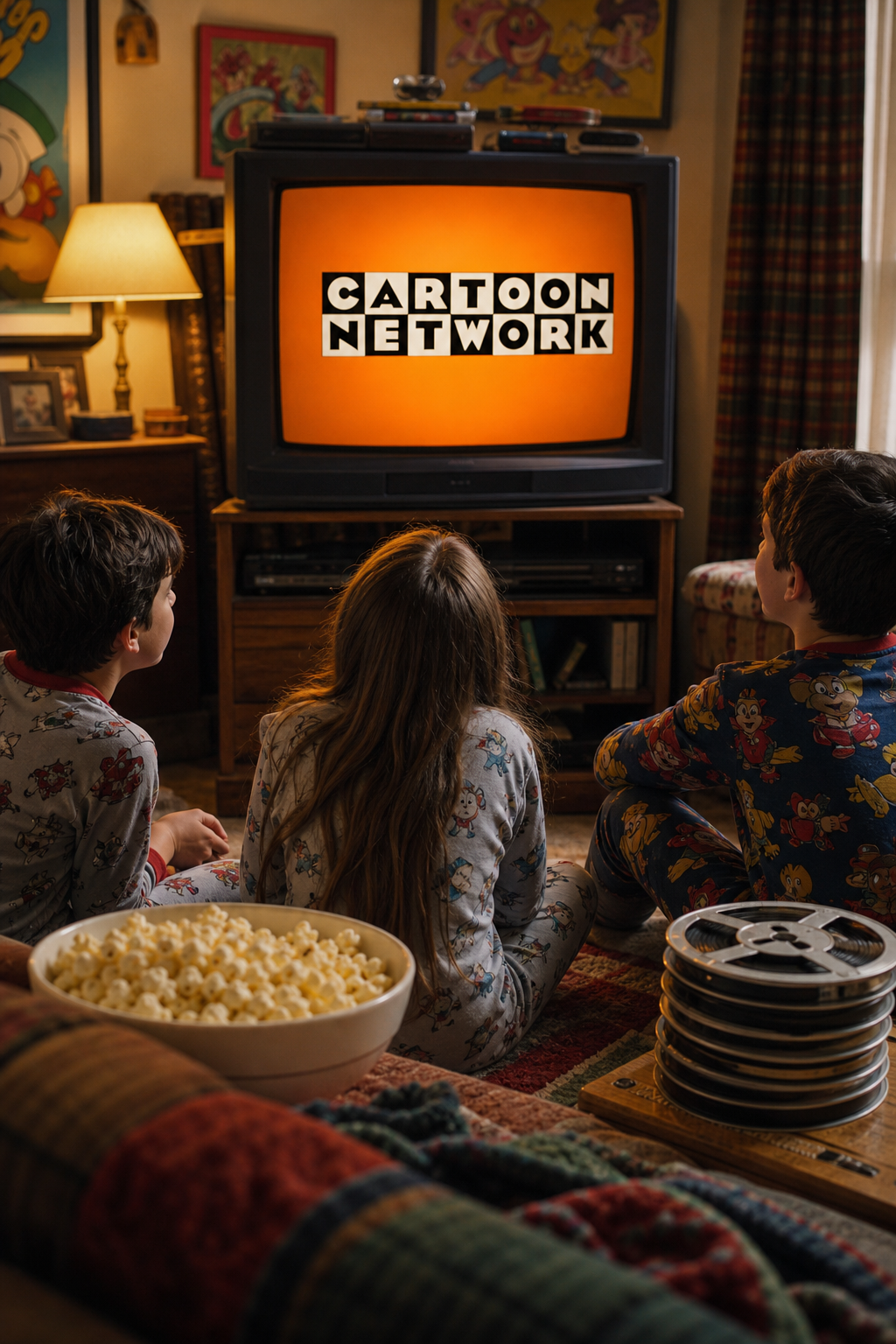
Pop‑tart crumbs on the kitchen counter. The orange splash bursts onto the screen. Saturday morning just got weird, bold, and weirdly cool. In the next few minutes you’ll see how a gamble on three wildly different cartoons rewrote the rules of kids’ TV.
We’ll break down the launch strategy, meet the trio that set the tone, dig into what made each show stand out, and explain why the ripple still rolls through streaming playlists and fan conventions today. Strap in, because the story is as wild as a Ren & Stimpy slapstick chase.
Table of Contents
-
The Gamble That Changed Kids' TV
-
Meet the First Three: Doug, Rugrats, and Ren & Stimpy
-
What Made Them Different
-
Why They Still Matter
-
FAQ
The Gamble That Changed Kids' TV
The network didn’t just add a cartoon block; it bet its whole brand on creator‑driven animation. In the early ’90s the channel was still known for game shows and reruns. Executives imagined a new identity that would make kids tune in for fresh, original sketches instead of borrowed foreign cartoons.
The network's animation chief described the climate as "garbage", a bland mix of imported series and stale repeats. She wanted something that felt like the kids’ own imagination, not a studio‑mandated formula. The plan? Commission pilots, test them in front of a live audience, and pick the boldest three.
When the launch day arrived, August 11 1991, the channel stacked the three pilots back‑to‑back on a Sunday morning. The first show opened at 10 AM, the second slid in at 10:30 AM, and the third took the 11 AM slot. The tight schedule forced families to stay glued to the couch, turning a random cartoon hour into a ritual.
Pro Tip: If you ever need to revive a brand, line up a few strong pieces that feed off each other’s energy. The original cartoon block rollout showed how a staggered schedule can turn one show’s buzz into a whole day’s momentum.
That gamble paid off. Within weeks, the three shows were pulling in ratings that outpaced the network’s older lineup. Advertisers took notice, and the broadcaster secured a stronger foothold in the cable wars of the early ’90s.
The network’s bold move also sparked a wave of creator‑driven animation across the industry. Studios that had relied on toy licenses started looking at original concepts, and the whole kids‑TV landscape shifted toward more daring, personality‑rich shows.
According to one historical overview of the block, the three series shared the exact premiere date, a fact that later myth‑makers would overlook when arguing which show was truly “first.” The coordinated rollout proved that a single launch day could birth an entire brand.
And the ripple? It set the template for future blocks like dedicated cartoon channels and the network’s later animation slate, where multiple original series debut together, each feeding the other’s hype.
Meet the First Three: Doug, Rugrats, and Ren & Stimpy
Now let’s meet the three rebels that changed the game.
Doug was Jim Jinkins’ love letter to his awkward pre‑teen self. The titular character rode a bike, wore a green sweater, and kept a secret diary where he scribbled about crushes and insecurities. The show’s humor was gentle, its art style simple, and its stories resonated with anyone who ever felt like the odd one out.
When you watch the pilot "Doug’s First Date," you can still hear the crunch of a cassette tape rewinding as Doug narrates his nervousness. The series later moved to another network, but its roots stay firmly planted in that 1991 time slot.
Rugrats brought a baby‑sized view of the world. Created by Arlene Klasky and Gabor Csupo, the show followed Tommy, Chuckie, and Angelica as they turned everyday household objects into epic adventures. The pilot "Tommy’s First Birthday" showed toddlers crawling under a sofa and imagining it as a jungle.
Rugrats’ quirky art and off‑beat humor earned it a cult following. The series even inspired a feature film in 1998, proving that a cartoon about diapers could become a box‑office hit.
The Ren & Stimpy Showwas the wild card. John Kricfalusi (aka John K.) built a world of slap‑stick absurdity, with Ren the neurotic chihuahua and Stimpy the blissful cat. The first episode "Big House" launched at 11 AM and instantly shocked viewers with its over‑the‑top violence and surreal gags.
Ren & Stimpy pushed the limits of what kids’ animation could depict. Its humor walked the line between cartoonish chaos and adult satire, earning both praise and controversy. The show’s outlier time slot , later than the other two , hinted that the network wanted to test audience tolerance for edgier content.
All three shows shared a common thread: they were creator‑driven, not network‑driven. That gave them the freedom to explore personal quirks, weird humor, and bold visuals.
Show| Creator(s)| Premiere Time| Key Trait
---|---|---|---
Doug| Jim Jinkins| 10:00 AM| Relatable teen angst
Rugrats| Arlene Klasky & Gabor Csupo| 10:30 AM| Baby‑eye view of world
Ren & Stimpy| John Kricfalusi| 11:00 AM| Surreal slap‑stick
Fans still argue which show earned the title of "first original animated series." The facts are clear: they all debuted together, so each can lay claim to the mantle. That shared launch date became a badge of honor for the channel’s brand.
For more deep‑dive nostalgia, check out We've Found a Kindred Spirit: A Deep Look at the 'When It Was Cool' nostalgia series. It explores how shows like these shaped a generation.
And if you want to see the original pilot clips, the LRIB Nation articles collection curates links to archived footage and behind‑the‑scenes interviews.
What Made Them Different
Even though they shared a launch date, each show carved its own niche.
Doug’s strength lay in its earnest storytelling. Episodes often began with a simple school problem that spiraled into a heartfelt lesson. The art style used clean lines and muted colors, letting the dialogue shine. A standout episode, "Doug’s Birthday," showed how a minor mishap could lead to a heartfelt apology, a lesson that still feels fresh.
Rugrats, on the other hand, turned the mundane into the marvelous. A diaper change could become a daring rescue mission. The show’s visual language leaned on exaggerated perspectives , a cereal bowl became a volcano, a blanket a pirate ship. This inventive lens gave kids a sense that their everyday world was full of secret wonders.Ren & Stimpy broke every rule. Its animation was fast‑paced, with exaggerated squash‑and‑stretch that made even a simple punchline feel like a roller‑coaster. The show also experimented with sound design, layering slapstick noises with surreal music cues. An episode like "Stimpy’s Big Day" juxtaposed child‑like innocence with dark humor, a daring mix that set it apart.
Behind the scenes, the production pipelines differed. Doug was produced by a small studio that allowed its creator to keep a tight grip on storyboards. Rugrats came from a studio that had already honed its craft on a popular prime‑time animated series, bringing a more polished, multi‑camera approach. Ren & Stimpy was produced by a new studio, which gave its creator near‑total creative control , a rare gift in television.
These differences mattered because they gave each show a distinct voice. Audiences could pick the one that matched their mood: heartfelt, imaginative, or outright chaotic.
Vanessa Coffey’s quote , "It’s not even what the network needed. I felt like it’s what kids needed" , summed up the intent. The network let the creators run wild, and the results proved that kids crave authenticity over corporate polish.
Key Takeaway: Diverse creative visions, paired with a shared launch, let the network capture a wider slice of the kids’ imagination than any single show could.
Watch a classic clip below to see the chaos in action:
For a deeper look at the animation revolution, see the Wikipedia entry on animation history. It places these cartoons within a broader wave of creator‑driven cartoons that began in the late ’80s.
And don’t miss the LRIB Nation video archive, where you can stream full episodes and exclusive creator interviews.
Why They Still Matter
Four decades later, the influence of those three shows is still visible. Modern streaming services host revivals, spin‑offs, and fan‑made tributes that keep the original spirit alive.
Doug’s focus on personal growth paved the way for later shows that tackle teen issues head‑on, such as "Avatar: The Last Airbender" and "Steven Universe." Rugrats taught creators that a child’s perspective can be a powerful storytelling lens , a concept echoed in "Adventure Time" and "The Amazing World of Gumball." Ren & Stimpy proved that pushing visual and comedic boundaries can create a cult following, a lesson that lives on in adult‑oriented cartoons like "Rick and Morty".
Fans still gather at conventions to celebrate the 25th anniversary of the animated block. Panels feature original creators, and merch drops let us own a piece of the past. The community vibe on LRIB Nation thrives on these shared memories, keeping the nostalgia alive.
Even the network’s branding still leans on the orange splat. The iconic logo, the slap‑stick humor, and the creator‑first ethos are still core to the network’s identity, proving that a bold gamble can become a lasting legacy.
Bottom line: the trio didn’t just entertain; they taught a generation that cartoons could be personal, inventive, and daring.
FAQ
When did the original three shows actually debut?
The three shows — Doug, Rugrats, and The Ren & Stimpy Show — all premiered on the same Sunday, August 11 1991, each in its own half‑hour slot on the kids’ network.
Why is there debate about which show was the “first” original animated show?
Because all three aired back‑to‑back on the same day, the myth of a singular “first” ignores the coordinated launch strategy. Each show can legitimately claim the title.
How did the network choose the three shows?
Vanessa Coffey commissioned a series of pilots in 1989‑1990, then held test screenings with live audiences. The three that sparked the strongest reactions earned the slot.
What made The Ren & Stimpy Show stand out from the other two?
Its visual style was hyper‑elastic, its humor leaned into the surreal, and it pushed boundaries of what kids’ cartoons could show, earning both praise and controversy.
Did any of the shows move to other networks?
Doug later migrated to a major broadcast network and its cable counterpart, where it ran for several more seasons. Rugrats also saw a revival on a dedicated cartoon channel and later on streaming platforms.
Where can I watch the original episodes today?
Many episodes are available on a popular streaming service, while select specials can be found on the LRIB Nation video archive. Physical DVD releases also exist for collectors.
How did the launch affect the network’s brand?
The success of the three shows cemented the network’s reputation as a home for original, creator‑driven animation, shifting its image from a rerun hub to a cultural pioneer.
What legacy did these shows leave for modern animation?
They opened the door for shows that blend humor with heart, encourage bold visual experimentation, and trust creators to tell stories that resonate with kids and adults alike.
We’ve traced the gamble, met the trio, unpacked their quirks, and linked the past to today’s streaming world. If you want to keep the vibe alive, look at our LRIB Nation articles collection for more retro deep dives, and check out the video archive for full episodes and behind‑the‑scenes clips.
Keep the orange splat in your mind, keep the cartoons rolling, and remember why those Saturday mornings felt like a secret club. The beginning of these shows wasn’t just a TV event — it was a cultural shift that still echoes in the shows we binge today.
Comments (0)
Sign in to join the discussion.