The Rise and Fall of Saturday Morning Cartoons
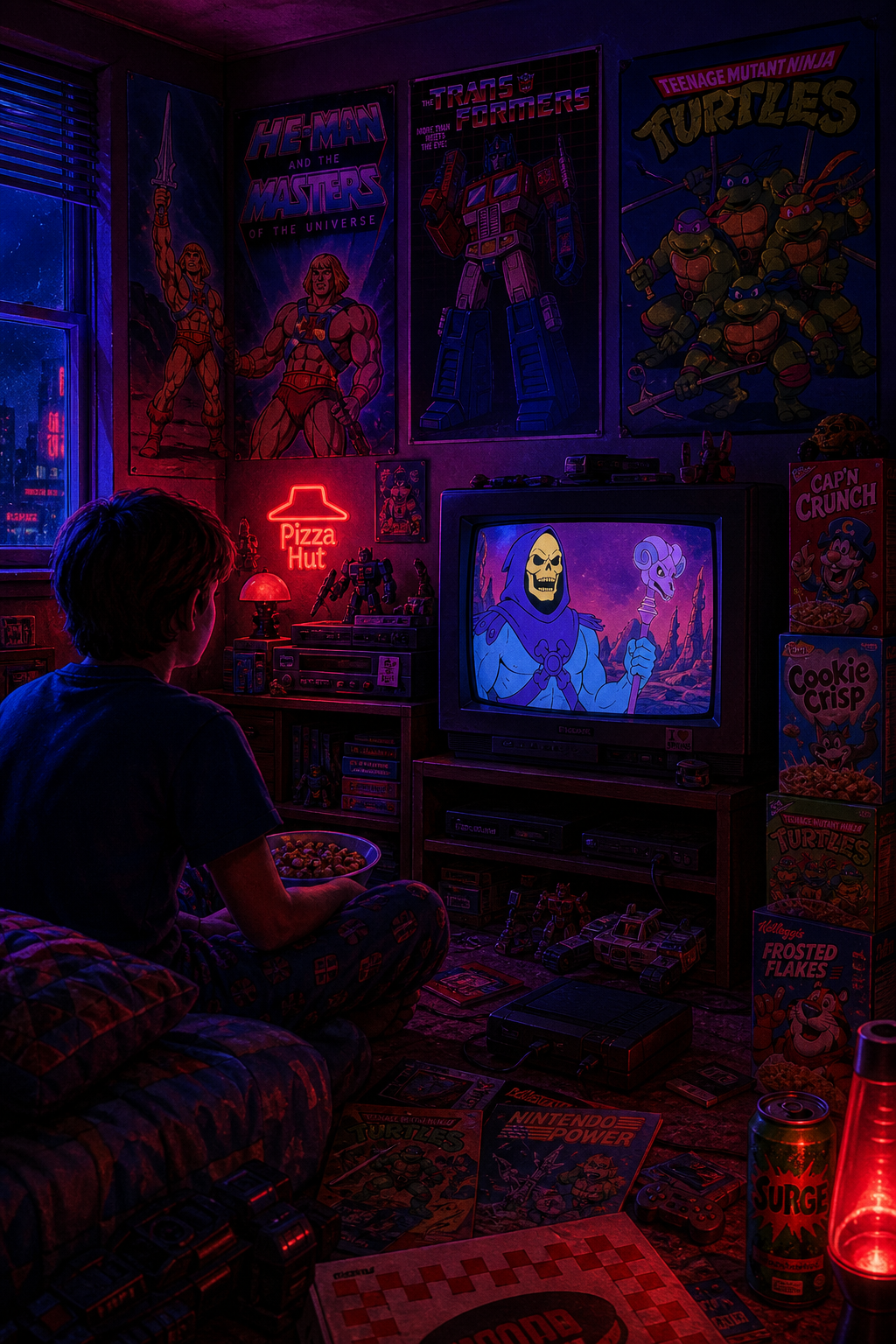
The clink of a cereal box, the hiss of a TV dial, a bright cartoon theme blasting through the living room, those sounds still echo in our heads. We grew up waiting for that Saturday slot, eyes glued to the screen while the world slept. In this guide we break down why the block rose, why it fell, and why the memory still hits hard.
By the end you’ll know the key moments that shaped the rise and fall of saturday morning cartoons, how regulation, cable and streaming rewired the habit, and where you can catch the classics today.
Table of Contents
-
The Golden Age: Why Saturday Morning Was Sacred
-
The Heyday: All‑Star Lineups of the 80s and 90s
-
The Turning Point: Cable, Rival Networks, and the 1990s Shake‑Up
-
The Final Act: Deregulation, Streaming, and the 2000s Collapse
-
Where the Classics Live Now: Nostalgia in a Streaming Age
-
Why It Still Hits: The Enduring Bond of Saturday Morning
-
Frequently Asked Questions
-
Conclusion
The Golden Age: Why Saturday Morning Was Sacred
Saturday mornings became a ritual because the networks found a sweet spot: kids were home, parents were busy, and advertisers had a captive audience. The earliest experiment was Crusader Rabbit in 1950, the first series made just for TV. It proved that a short, cheap cartoon could fill the 10 a.m., noon window and draw steady viewership. Once the major broadcast networks all launched their own blocks in 1966, the format exploded.
Why did this matter? Kids would line up with bowls of sugar‑laden cereal, the TV would glow, and the same few shows would roll out week after week. That consistency let studios perfect a low‑budget production model. A prominent animation studio, for example, built entire series around static poses and limited motion — characters often moved only their mouths. That saved time and money, letting them pump out titles like The Jetsons and The Flintstones on a weekly schedule.
And the magic wasn’t just the shows. The ad breaks sold the toys, the cereals, the sneakers. A single commercial could turn a new action figure into a must‑have overnight. The block became a marketplace as much as a playground.
Key Takeaway: The early block thrived on cheap animation, repeat schedules, and a tightly aligned ad ecosystem.
Network data shows one network owned the lion’s share of the early line‑up: six of the fifteen known titles came from that network, according to the research sample. That dominance helped cement the block as a national habit.
Even live‑action hosts tried to compete, but the cartoon format proved cheaper and more appealing. By the early ’70s the big three networks had fully committed, and kids across the country tuned in at the same time.
We still hear that familiar squeak of the TV dial, and the smell of cereal, because the block was designed to be a shared experience, one that still feels communal even decades later.
 A neon‑noir style illustration of a 1970s living room, a big boxy TV glowing with a cartoon, a bowl of sugary cereal on a wooden table, the morning sun streaming through curtains.
The Heyday: All‑Star Lineups of the 80s and 90s
The 1980s turned Saturday mornings into a pop‑culture powerhouse. We grew up on shows like He‑Man , Transformers , Care Bears , and G.I. Joe —and we knew those weren’t just entertainment, they were toy sales engines. Studios made deals with the toy makers, and each cartoon served as a two‑hour commercial for the action figures waiting on store shelves.
Remember He‑Man? The series debuted in 1983, each episode ending with a battle cry and a quick plug for the latest figurine. We’d race home to trade cards and battle our friends. The same pattern played out with My Little Pony ’n Friends and Jem and the Holograms , where the music and fashion cues drove record sales and merch we had to have.
But the block wasn’t all toys. Teenage Mutant Ninja Turtles burst onto the scene in 1987—a comic‑book adaptation that became a cultural icon. That catchy theme song and those pizza‑loving heroes sparked a wave of pizza‑themed toys, video games, and even a line of branded cereals we begged our parents for.
Live‑action shows still held their own, too. Pee‑Wee’s Playhouse (mid‑80s) mixed surreal puppetry with cartoon‑like pacing, winning a spot in the lineup and proving the schedule could be delightfully eclectic.
Why did the 80s feel so vibrant? Two forces: first, deregulation loosened the rules around advertising to kids, letting sponsors pour more money into the slots. Second, cable began to rise, but broadcast still held the crown for that shared Saturday morning ritual we all remember.
Pro Tip: When hunting for original episodes, check the When Cruella Went Corporate article for tips on tracking down syndicated reruns on DVD and streaming services.
Even the theme songs mattered. The Smurfs anthem, the G.I. Joe march—these jingles still stick in our heads, proof that the block was a full‑sensory brand experience we lived for.
By the end of the decade, the lineup resembled a mixtape of action, comedy, and educational shorts. It was a one‑stop shop for kids who wanted heroes, laughs, and a little learning before the weekend really began.
The Turning Point: Cable, Kids' Cable Networks, and the 1990s Shake‑Up
By the early ’90s the landscape began to shift. Cable networks offering kids 24‑hour access to animation—like a popular children's channel and a fully cartoon-dedicated network—along with a new daily broadcast block, eroded the scarcity that made Saturday mornings special.
That new broadcast network launched in 1990 with hits like Power Rangers and Animaniacs. Its aggressive marketing meant kids could watch their favorites any day, not just Saturday. This changed viewing habits—parents no longer needed to schedule the weekend around a single block.
At the same time, the Federal Communications Commission tightened its rules. The Children’s Television Act of 1990 demanded that stations air three hours of educational/informational (E/I) programming per week. Networks responded by inserting shows like Schoolhouse Rock! and One to Grow On into the line‑up, squeezing out pure entertainment cartoons.
Research shows that 77% of the cartoons in our sample cited “changing cultural norms, increased competition from formats available at all times, and heavier media regulations” as the main reason for decline. That triple pressure, cable competition, stricter ad rules, and the rise of on‑demand viewing, was the perfect storm.
Here’s a quick look at how the line‑up changed:
Year| Key Shift| Impact
---|---|---
1990| Children’s Television Act| Added E/I requirements, reduced pure entertainment slots
1992| First daily cartoon block| Daily cartoon access, less reliance on a single morning
1995| Rise of all‑cartoon cable networks| Kids could binge classic cartoons anytime
The shift also opened doors for new formats. Shows like Doug and Saved by the Bell blended teen sitcom vibes with cartoon aesthetics, aiming for an older kid audience that could watch after school on cable.
Even the toy tie‑ins felt the pinch. With cartoons no longer the sole gateway to new toys, manufacturers leaned on dedicated channels and direct‑to‑video releases.
Key Takeaway: Cable and stricter FCC rules turned Saturday mornings from a monopoly into a crowded playground.
Our research also notes a handful of outliers, Spectacular Spider‑Man fell after a major studio acquisition, while Extreme Ghostbusters never found a stable home. Those quirks illustrate how corporate moves could tip a show’s fate.
For deeper context on how broadcast regulations reshaped kids’ TV, see the FCC’s Children’s Television Act page. It walks through the rule changes that forced networks to re‑tool their blocks.
And if you’re hunting for rare episodes, the LRIB Nation crew recommends checking our archive of retro podcast episodes, sometimes we drop a link to a full‑season stream.
The Final Act: Deregulation, Streaming, and the 2000s Collapse
When the new millennium rolled in, the old Saturday morning block was already a shadow of its former self. The Kids’ TV Act of 1996 doubled down on E/I reporting, and networks began replacing cartoons with nature documentaries and travel shows that met the educational quota.
Meanwhile, cable’s kids’ channels — an animation powerhouse, a comedy‑driven network, and a family channel — were thriving. Kids could flip on a channel any day, any time, and binge the shows they loved. The need to wait for Saturday vanished.
Streaming services sealed the fate. By 2005, platforms like a major streaming service began offering cartoons anytime, and by the 2010s most of the classic line‑up had migrated to digital libraries. The broadcast blocks that once defined a generation were reduced to a few legacy shows like Recess before disappearing entirely.
One researcher called the regulatory push a “vast wasteland” that forced broadcasters to juggle compliance and profit. The result was a thin mix of public‑service shorts and leftover reruns, which barely held kids’ attention.
Our sample notes that the final handful of cartoons survived by moving to weekday afternoon syndication, where the stricter ad rules didn’t apply. That loophole kept a few titles alive, but the magic of a shared Saturday ritual was gone.
For a look at how the regulatory framework evolved, read a reflection on the topic. It ties together the policy shifts with the cultural fallout.
Even though the block fell, the impact lingers. Many of today’s streaming bundles still include the classics, and the nostalgia economy thrives on re‑releases and merch.
Pro Tip: Use the LRIB Nation articles hub to find deep dives on specific shows and where they stream today.
Where the Classics Live Now: Nostalgia in a Streaming Age
If you want to watch the old block today, look to the major streaming platforms. One major streaming service holds the original DuckTales ,Gargoyles , and the later 101 Dalmatians series. Another big platform carries Teenage Mutant Ninja Turtles(the 2012 reboot) and classic Scooby‑Doo collections. Yet another streaming service often streams the early Super Friends runs.
Physical media still matters for collectors. Many titles are available on DVD or Blu‑ray, especially the big hits like He‑Man and The Smurfs. Online auction sites for original box sets can still fetch decent prices; a sealed He‑Man and the Masters of the Universe set often sells for $30‑$40.
Fan communities keep the spirit alive. Online forums for classic cartoons and chat servers host watch parties, trivia nights, and even fan‑made subtitles for rare episodes.
And the merch market is booming. Retro‑styled cereal boxes, enamel pins, and t‑shirts let you wear your Saturday morning love on your sleeve.
So while the broadcast slot is gone, the content lives on, just on demand, not on a set Saturday morning.
Why It Still Hits: The Enduring Bond of Saturday Morning
Science explains why those early mornings still feel special. Oxytocin, the “bonding hormone,” spikes when we share simple, low‑tech rituals, like watching a cartoon together while eating cereal. A 2013 study showed oxytocin boosts willingness to share emotions, strengthening social ties ( Lane et al., 2013).
When we sat together in the living room, the shared experience created a neuro‑behavioral synchrony that lowered stress. That same feeling is hard to replicate with on‑demand streaming, where the ritual is fragmented.
Even the simple act of waiting for the next episode built anticipation, a psychological hook that kept kids returning week after week. That anticipation is part of why the memory feels so vivid.
Today’s adults crave that analog comfort. Podcasts like LRIB Nation’s weekly retro show tap into the same desire for communal storytelling, offering a modern “Saturday morning” in audio form.
Key Takeaway: The rise and fall of saturday morning cartoons left a neuro‑chemical imprint that still draws us back to the era.
When you hear the opening theme of Transformers or the laugh track of Alvin and the Chipmunks , your brain lights up with the same oxytocin boost you felt as a kid.
That’s why the nostalgia market thrives, people aren’t just buying merch; they’re buying a feeling of connection that modern media can’t fully replace.
Frequently Asked Questions
What caused the initial boom of saturday morning cartoons?
The boom came from a perfect mix of cheap TV‑specific animation, a captive child audience, and advertisers eager to sell cereal and toys. Studios that pioneered low‑cost animation built efficient pipelines that let them produce a new half‑hour each week at low cost, while networks filled the Saturday morning slot with repeatable, advertiser‑friendly content.
How did cable networks change the Saturday morning landscape?
Cable gave kids 24‑hour access to cartoons, so the scarcity that made Saturday mornings special evaporated. Early dedicated cartoon channels offered nonstop programming, pulling viewers away from the broadcast blocks and forcing networks to rethink their strategy.
Why did the Children’s Television Act matter?
The 1990 Act forced broadcasters to air at least three hours of educational/informational (E/I) content each week. This requirement squeezed out many pure‑entertainment cartoons, replacing them with shows like Schoolhouse Rock! and public‑service spots, which changed the tone of the block.
Which shows survived the regulatory crackdown?
Shows that could meet the E/I criteria or that moved to weekday syndication survived longer.Recess and Doug found homes on cable, while classics like Looney Tunes lived on as public‑domain shorts in various line‑ups.
Are there any legal ways to watch original Saturday morning episodes?
Yes. Several streaming services now license many classics: some carry specific studio libraries, others offer rotating selections of retro series like Scooby‑Doo and Turtles , and some include early Super Friends. Physical media, DVD and Blu‑ray collections, also offer legitimate copies, especially for titles that haven’t cleared streaming rights.
How can I relive the feeling without a TV?
Try recreating the ritual: set a Saturday morning, pour a bowl of your favorite cereal, and watch a handful of episodes back‑to‑back. Invite friends or family to share the experience. The simple, analog act triggers the same oxytocin response that made the original block special.
What role does LRIB Nation play in keeping the memory alive?
LRIB Nation produces a weekly retro podcast that revisits classic shows, dissects their cultural impact, and points listeners to where they can watch or collect episodes today. Our community forums also host watch‑parties and share streaming tips.
Will Saturday morning cartoons ever return on broadcast TV?
Unlikely. The regulatory and market forces that ended the block are still in place, and streaming offers a more flexible model for both creators and viewers. However, special “throwback” events on network holidays sometimes bring back a few classic episodes.
Conclusion
We’ve traced the rise and fall of saturday morning cartoons from the humble Crusader Rabbit experiment to the cable‑driven collapse of the early 2000s. The block thrived on cheap animation, a captive audience, and a tight ad‑toy loop. Then cable, stricter FCC rules, and on‑demand streaming cracked the model, pushing the tradition into the archives.
Yet the bond remains. Neuroscience shows that those shared mornings sparked oxytocin releases that still make us smile. Today we can chase that feeling through streaming, retro podcasts, and collector’s editions. LRIB Nation keeps the conversation alive, offering a modern platform for the same communal vibe.
So next time you hear that familiar theme, remember: you’re not just hearing a tune, you’re hearing a piece of cultural chemistry that still matters. Keep the nostalgia alive, share the stories, and maybe set aside a Saturday morning for a fresh dose of cartoon magic.
Comments (0)
Sign in to join the discussion.