Top 10 MTV 1990s Music Video Milestones
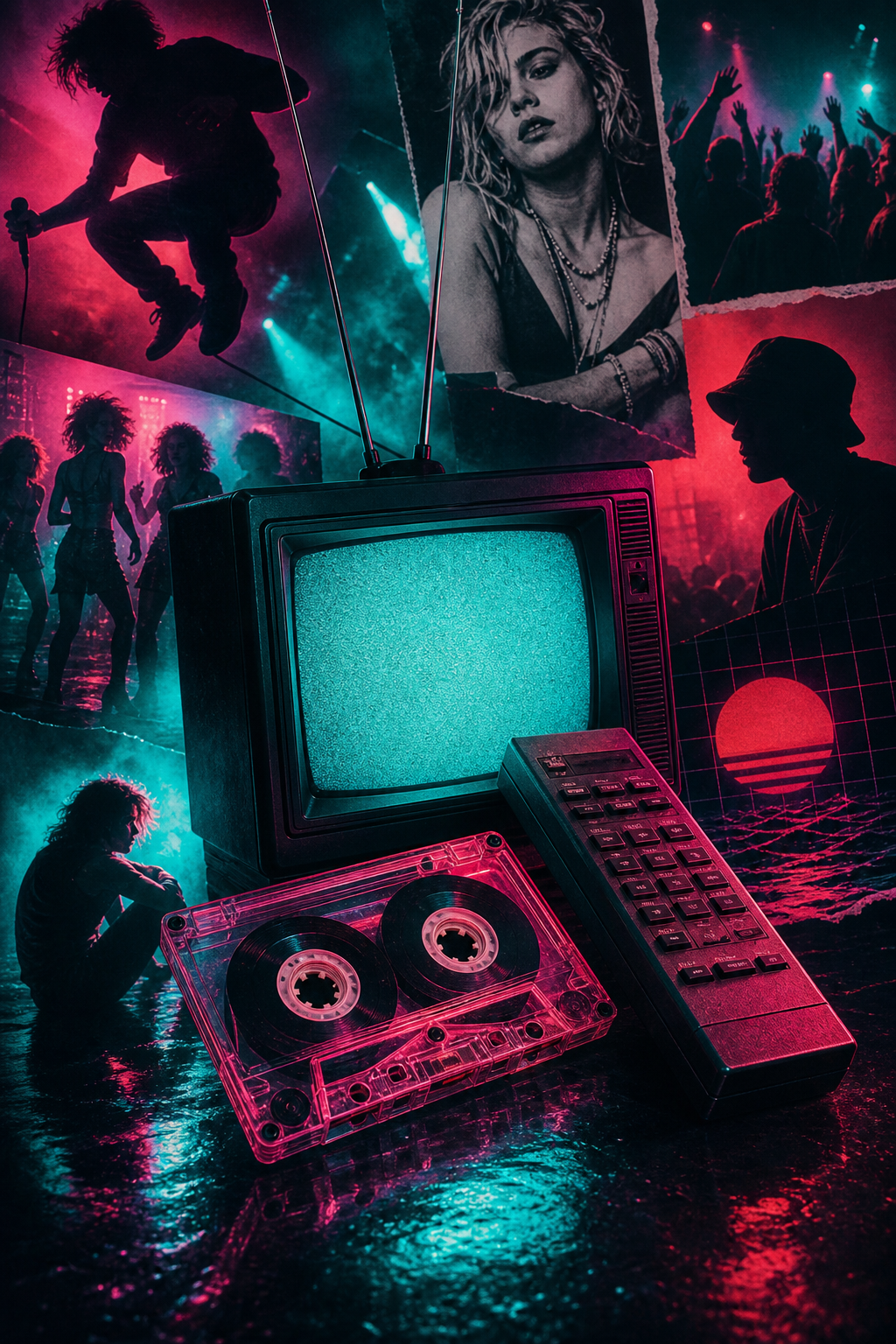
Remember the glow of a CRT TV and the first riff of a song that made the room shake? MTV turned those moments into cultural flashpoints. Below are the ten MTV 1990s music video milestones that still echo in pop culture today. For even more behind‑the‑scenes nostalgia, the @LetsRunItBack YouTube channel and the LRIB Nation community archive fan‑made playlists of the very videos we’re listing here.
Table of Contents
-
1. MTV Unplugged: Nirvana (1993) , Striped‑Down Soul
-
2. The Debut of Total Request Live (TRL) (1998) , The People’s Countdown
-
3. Michael Jackson’s “Black or White” (1991) , The Morph That Changed Everything
-
4. Madonna’s “Vogue” (1990) , Striking a Pose for the Ages
-
5. Michael & Janet Jackson’s “Scream” (1995) , The Most Expensive Video of Its Time
-
6. Reality TV Premiere (1992) , Reality TV Hooks MTV’s Line
-
7. MTV’s Global Expansion: Europe, Asia, and Beyond (Late 80s, 90s)
-
8. Controversy Censored: Madonna’s “Justify My Love” (1990) , When MTV Said No
-
9. Beavis and Butt‑Head (1993) , Animated Commentary Takes Over MTV
-
10. International Pop Crossover in 1996
-
FAQ
Our crew at LRIB Nation constantly digs up behind‑the‑scenes stories, so you can watch the same videos with fresh context. How to Relive 1990s Pop Culture Trends is a perfect next stop for anyone hungry for deeper rabbit holes.
1. MTV Unplugged: Nirvana (1993) , Striped‑Down Soul
Nirvana’s Unplugged session stripped away grunge distortion and let Kurt Cobain’s raw vocals shine. It became a benchmark for acoustic‑rock videos and showed MTV could host serious artistry alongside flashy pop. The performance sparked a wave of stripped‑back videos that still influence today’s live‑session streams.
The session’s intimacy made it a template for later MTV Unplugged episodes featuring artists from Eric Clapton to Alicia Keys.
2. The Debut of Total Request Live (TRL) (1998) , The People’s Countdown
TRL turned the living room into a live‑stage, letting teens vote for their favorite videos in real time. It birthed a culture where chart success hinged on viewer calls and later text messages. The show launched careers, Britney, *NSYNC, and Backstreet Boys all hit their stride here.
MTV’s shift to interactive voting mirrored the emerging internet buzz, making the channel feel like a digital clubhouse for the era’s music‑obsessed.
SNICK 1990s Schedule: A Saturday Night Time Capsule
TRL’s daily countdown gave fans a sense of ownership, a feeling that still drives today’s streaming playlists.
3. Michael Jackson’s “Black or White” (1991) , The Morph That Changed Everything
Michael Jackson’s “Black or White” introduced a breakthrough morph‑animation sequence that blended faces of people from around the world. The effect was crafted by a visual‑effects studio, a studio that later helped build CGI for major animated films. The tech let the video switch between dozens of faces in seconds, creating a visual that still feels fresh.
The sequence reinforced the song’s message that race is a social construct, and it set a template for countless music‑video effects that followed.
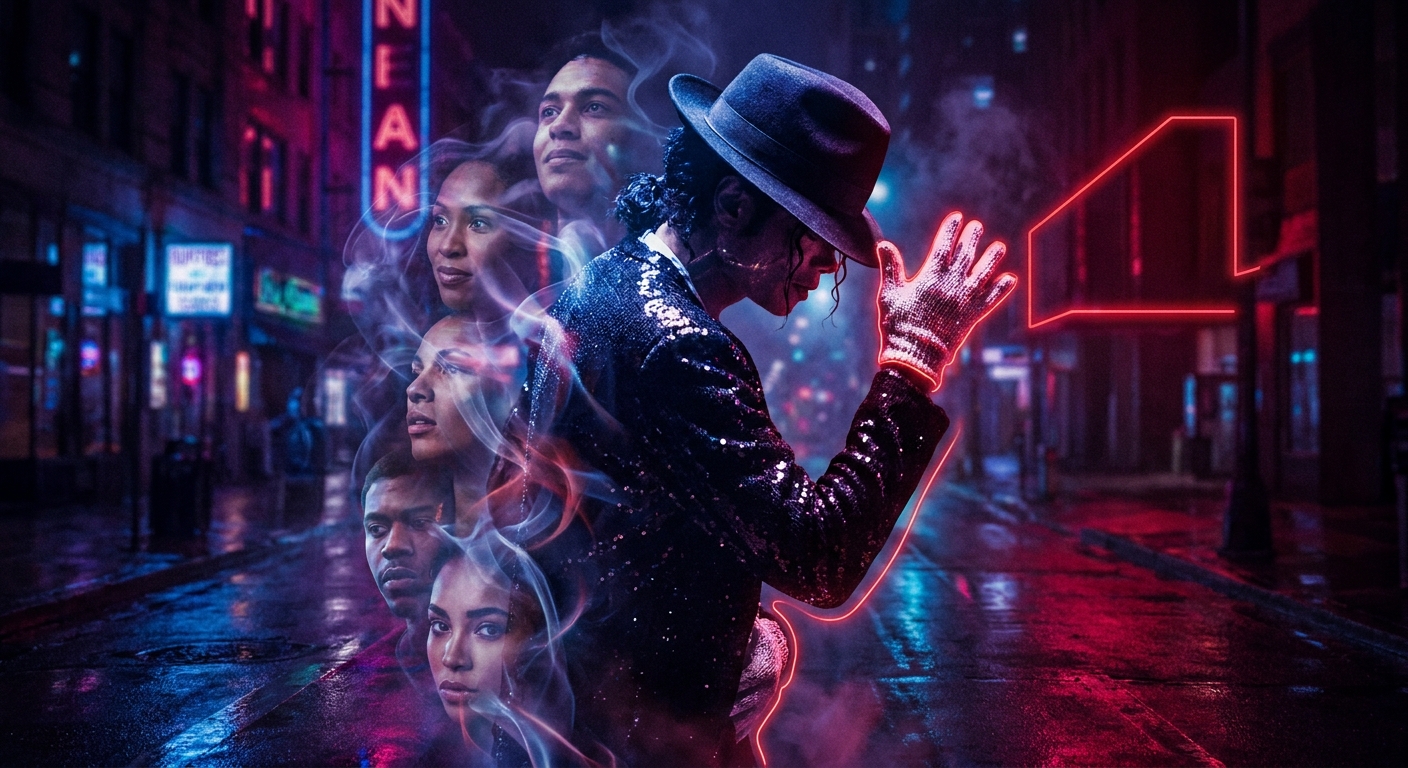
MTV aired the video in heavy rotation, and the morph became a cultural shorthand for unity. It also sparked a flood of imitators, proving that a single visual trick could define a whole decade.
4. Madonna’s “Vogue” (1990) , Striking a Pose for the Ages
Madonna’s “Vogue” turned underground ballroom dance moves into a mainstream spectacle. The black‑and‑white video featured stylized choreography that celebrated LGBTQ+ culture at a time when MTV rarely gave such visibility.
The clip’s high‑contrast aesthetic and rapid‑cut editing made it instantly iconic. It also inspired a wave of fashion trends, think sleek shoulder pads, fingerless gloves, and the “vogue” hand pose that still shows up on TikTok.
MTV’s heavy rotation helped the song dominate the charts and cemented Madonna’s status as a pop provocateur.
ABC TGIF 1990s Lineup: A Nostalgic Guide to Friday Nights
Even today, dance studios teach the “Vogue” routine as a nod to its cultural impact.
5. Michael & Janet Jackson’s “Scream” (1995) , The Most Expensive Video of Its Time
“Scream” cost roughly $7 million, making it the priciest music video of the 90s. The futuristic set, black‑light effects, and cutting‑edge CGI set a new production bar for MTV.
Directed by Mark Romanek, the video featured the siblings in a stark, industrial loft, battling an oppressive surveillance system. The visual language echoed cyber‑punk themes that were just emerging in film.
MTV’s premiere of “Scream” was a live‑event moment; the channel aired a countdown and audience‑participation poll before the clip dropped, turning the rollout into a must‑watch TV event.
Even now, the video is a reference point for high‑budget productions on streaming platforms.
6. Reality TV Premiere (1992) – Unscripted Drama Hooks MTV’s Line
When MTV launched its first reality series in May 1992, the channel pivoted from pure music videos to unscripted reality drama. The show placed strangers together in a shared space and filmed their lives nonstop, delivering raw, often controversial moments.
The series tackled topics like AIDS, sexuality, and politics, giving MTV a new cultural relevance. It also sparked a backlash, with some viewers feeling the channel had moved away from music videos.
The show ran for 33 seasons, proving reality TV could sustain a network’s audience long after music‑video viewership waned.
Its legacy lives on in the network’s later reality series, both MTV staples.
7. MTV’s Global Expansion: Europe, Asia, and Beyond (Late 80s, 90s)
MTV didn’t stay in New York. By the early 90s, the brand launched localized channels in the UK, Germany, Japan, and Brazil, each tailoring playlists to regional tastes while keeping the MTV vibe.
These expansions introduced local artists to a worldwide audience, fueling cross‑border hits like “Zombie” by The Cranberries and other global anthems.
MTV’s global push also spread its visual language, fast cuts, stylized titles, and neon graphics, making the network a template for music television worldwide.
We’ve Found a Kindred Spirit: A Deep Look at the ‘When It Was…’ Nostalgia
Even after MTV’s shift to reality shows, those early global feeds still influence how music videos are produced in Asia and Europe.
8. Controversy Censored: Madonna’s “Justify My Love” (1990) , When MTV Said No
Madonna’s “Justify My Love” featured explicit sexual imagery that MTV deemed too risqué for broadcast. The network pulled the video, prompting Madonna to release a VHS that sold millions.
The ban sparked a debate over artistic freedom versus broadcast standards, a conversation that still rings true in today’s streaming wars.
MTV’s decision inadvertently gave the video a cult status, proving that a ban can amplify a song’s mystique.
9. Beavis and Butt‑Head (1993) , Animated Commentary Takes Over MTV
When MTV unleashed “Beavis and Butt‑Head” in 1993, the network found a wildly new way to frame music videos, two snickering animated couch potatoes who riffed on the clips MTV played all day. The show became a phenomenon, turning the act of watching and mocking videos into appointment television.
Their crude commentary doubled as a kingmaker: a video the duo praised could ride a wave of fresh attention, while a clip they trashed became instantly infamous. It blurred the line between programming and criticism in a way only MTV could.
The series proved music‑video culture could spawn its own satirical mythology, paving the way for later MTV animation and the meme‑driven reaction culture that dominates streaming today.
10. Girl Group Anthems Take Over MTV (Mid-1990s)
When a breakout girl group burst onto MTV with their debut single, they created a worldwide phenomenon with their catchy anthem. The video’s high‑energy dance routine and bright, slap‑stick visuals made it a staple on MTV’s rotation.
Its catchy hook and distinctive personalities of each member created a template for branding pop groups in the digital age.
MTV’s heavy airplay helped such hits top charts across continents, cementing the idea of branded pop groups as a cultural phenomenon.
Pro Tip: Rewatch these videos with the original MTV broadcast dates on YouTube to catch the era‑specific intros and VJ commentary.
FAQ
What made MTV’s 1990s videos so influential?
The direct answer: MTV combined cutting‑edge visuals, celebrity culture, and real‑time audience interaction. By showcasing bold concepts like morphing, reality‑TV formats, and global feeds, MTV set standards that still shape music video production.
Where can I watch these milestone videos today?
You can stream most of them on YouTube, either on official artist channels or on the @LetsRunItBack archive. Some are also available on streaming services that license MTV’s library.
Why did MTV shift from music videos to reality shows?
The shift happened because viewership for pure music videos declined as internet and file‑sharing grew. MTV needed fresh content to keep teens tuned in, and reality TV offered unscripted drama that was cheap to produce.
How did “Black or White” influence later video effects?
Its morph‑animation proved that a single visual trick could carry a whole narrative. After its debut, dozens of artists used similar face‑morph sequences, cementing the effect as a staple of 90s pop‑visuals.
Did any of these videos win MTV Video Music Awards?
Yes. Madonna’s “Vogue” and Michael Jackson’s “Black or White” both earned VMA nominations, and “Scream” won Best Choreography in 1995, reflecting MTV’s recognition of both artistic and technical innovation.
These milestones still shape how we watch music and TV. For a deeper look at 90s pop culture, check out How to Relive 1990s Pop Culture Trends, and tune into the @LetsRunItBack channel on LRIB Nation to keep the nostalgia alive.
Comments (0)
Sign in to join the discussion.