Top 6 Movies That Changed Everything

The synth‑driven thrum of John Williams’ score still echoes when you press play, and the glow of a neon green screen still flickers in our memory. Those moments weren’t just fun, they rewired the way we see movies, merch, and even our own childhoods. In the next few minutes we’ll break down six films that changed everything, why they mattered then, and how they still shape the way we binge watch, collect toys, and talk about cinema.
We’ll walk through each title, point out the new piece that set it apart, and sprinkle in where you can catch it today. Strap in, because the ride is as wild as a lightsaber duel on a summer beach.
Table of Contents
-
1. Star Wars (1977) , The Force That Reshaped Hollywood
-
2. Jaws (1975) , The Summer That Changed Blockbusters Forever
-
3. Jurassic Park (1993) , When Dinosaurs Walked the Earth Again
-
4. Pulp Fiction (1994) , The Indie Film That Rewrote the Rules
-
5. Toy Story (1995) , The First Film Made Entirely on Computers
-
6. The Matrix (1999) , The Red Pill That Changed Cinema
-
7. How These Movies Changed Everything , At a Glance
-
8. Why These Movies Still Hit Different
-
FAQ
-
Conclusion
1. Star Wars (1977) , The Force That Reshaped Hollywood
When George Lucas released a galaxy far, far away, the world didn’t just get a new hero; it got a whole new way to make money from movies. The film’s new visual effects, courtesy of Industrial Light & Magic, birthed a modern VFX pipeline that still powers blockbusters today.
Lucas also turned a single story into a sprawling franchise. He sold toys, books, and a massive line of action figures that turned kids’ bedrooms into mini‑starports. That merch‑first strategy still drives the industry , think of how every superhero film now launches a wave of toys before the first ticket sells.
Fans still gather for midnight screenings, cosplay, and fan‑made lightsabers. The original 1977 cut streams on Disney+, and the special‑edition Blu‑ray includes behind‑the‑scenes footage that shows how the usable models were built in a warehouse in California.
Here’s what to watch for if you want to feel the original impact:
-
Notice the usable models of the Death Star , they still hold up against today’s CGI.
-
Listen for the iconic opening crawl , it set a storytelling rhythm that many movies still copy.
-
Spot the first use of the “motion‑controlled camera” , a technique that sparked modern motion‑capture.
And if you need a deeper dive on how the film’s sound design broke new ground, check out the detailed write‑up on Wikipedia’s Star Wars page. It walks through the pioneering Dolby Stereo mix that made the lightsaber hum feel real.
Key Takeaway: Star Wars showed that a single story could become a multibillion‑dollar universe, setting the template for franchise filmmaking.
We’ve also got a quick look at the original teaser posters on the LRIB Nation When Cruella Went Corporate deep dive, where we compare the marketing angles of 70s blockbusters.
2. Jaws (1975) , The Summer That Changed Blockbusters Forever
Steven Spielberg’s shark thriller didn’t just give us the iconic “dun‑dun‑dun” theme; it created the modern summer blockbuster. Before Jaws, studios released big pictures in the winter, hoping to capture award season buzz. Spielberg flipped the script, dropping a high‑stakes thriller in June and flooding the nation with panic‑filled beach trips.
According to Cinephilia Beyond’s deep dive, the film opened in 409 theaters at once, shattering the limited‑release model that had been standard since the 1970s. The result? A $470 million worldwide haul on a $9 million budget and a brand‑new marketing playbook: massive TV spots, tie‑in merchandise, and a soundtrack that still haunts swimmers.
Beyond the box office, Jaws sparked a cultural shift. Beach attendance dipped as people feared shark attacks, while phone calls to police about “saw a shark” spiked dramatically. The film also ignited a wave of shark‑conservation activism, even if it made the animal a villain in the public eye for decades.
When you watch the film today on streaming services, notice the tight framing of the ocean’s surface. That low‑angle shot makes the water feel like a hidden threat , a technique now used in horror and thriller genres.
Usable tips for a retro viewing night:
-
Set the lights low and use a portable speaker for the score to mimic the original theater experience.
-
Serve popcorn with a side of gummy sharks as a tongue‑in‑cheek nod to the film’s legacy.
-
Pause after the “shark‑in‑the‑water” scene and discuss how the suspense is built without showing the beast.
For a quick fact‑check on the film’s impact on theater release patterns, see the Wikipedia entry on Jaws. It details the shift to summer‑wide releases that still dominates Hollywood.
Pro Tip: Pair the movie with a documentary about real shark behavior to balance fear with science.
3. Jurassic Park (1993) , When Dinosaurs Walked the Earth Again
Steven Spielberg returned to the big‑screen with a film that turned prehistoric beasts into a CGI showcase. Jurassic Park’s new use of computer‑generated imagery (CGI) and animatronics set a new bar for realism in visual effects.
Industrial Light & Magic built a custom rendering pipeline that let the T‑rex roar on screen with a level of detail no one had seen before. The result was a $1 billion franchise that spans movies, theme park rides, and a wave of dinosaur toys that filled every kid’s backpack in the ’90s.
When you watch the film on a modern 4K stream, notice how the lighting on the dinosaur skin changes with the environment , a technique that later became standard in motion‑capture pipelines.
Here are three ways to appreciate the film’s tech legacy:
-
Spot the blend of usable animatronics (the velociraptor’s head) with CGI , a hybrid approach still used in high‑budget productions.
-
Listen to John Williams’ score, which uses leitmotifs that signal danger before the visual cue appears.
-
Check the behind‑the‑scenes featurette that explains how the team used “motion blur” to make the dinosaurs feel weighty.
For more on the evolution of CGI, the Wikipedia page on film technology history provides a timeline that places Jurassic Park at the turning point.
Our crew at LRIB Nation often revisits the original storyboard sketches in our LRIB Videos series, where we compare the 1993 cut to the 2022 remaster.
4. Pulp Fiction (1994) , The Indie Film That Rewrote the Rules
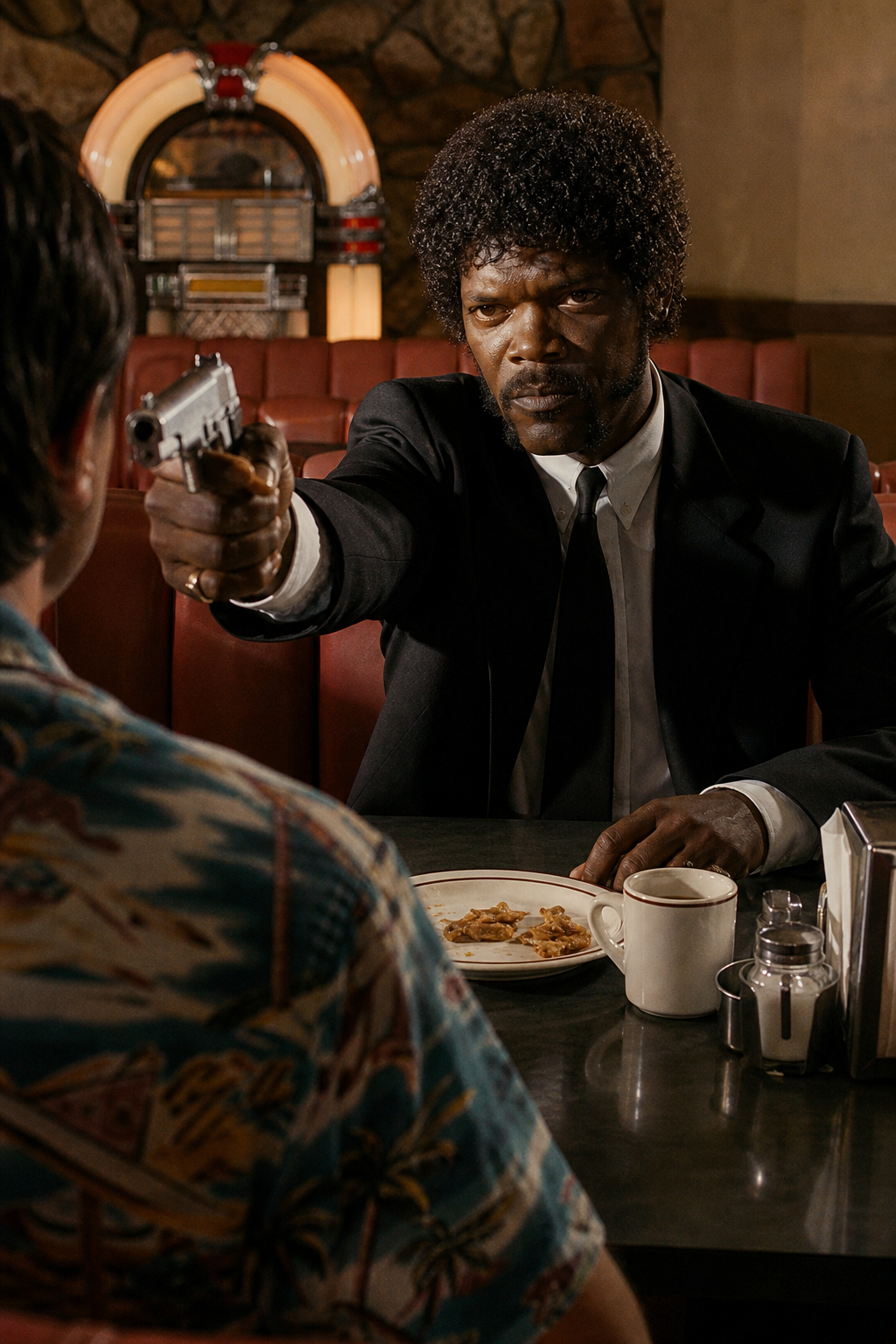
Quentin Tarantino’s non‑linear masterpiece didn’t just win Oscars; it flipped the script on storytelling. By stitching together three interwoven tales, Pulp Fiction showed that audiences could follow a puzzle‑like narrative and still stay hooked.
The film’s dialogue‑driven scenes turned everyday conversations into cultural memes. Think of “Royale with cheese” , a line that still pops up in memes, podcasts, and even coffee shop orders.
Its impact on indie filmmaking is huge. Low‑budget producers saw that a strong script and clever editing could outshine big‑budget spectacle. The movie’s success helped launch the “indie boom” of the mid‑90s, where studios chased fresh voices instead of only bankable stars.
When you press play on a streaming platform, notice the grainy texture of the film , a deliberate choice that gives it a vintage feel, reminding us that the ’90s were still transitioning from film to digital.
Usable ways to bring the vibe home:
-
Use a retro TV set or a vintage filter on your screen to mimic the original grain.
-
Serve a “Big Kahuna Burger” inspired snack , a nod to the iconic food reference.
-
After the “dance scene,” discuss how the soundtrack (surf rock and soul) drives the scene’s energy.
For a scholarly perspective on the film’s narrative structure, on Wikipedia’s Pulp Fiction entry. It breaks down the timeline and its influence on later cinema.
5. Toy Story (1995) , The First Film Made Entirely on Computers
When Pixar released Toy Story, it wasn’t just the first fully computer‑animated feature; it proved that digital animation could tell heartfelt stories that resonated with both kids and adults.
The film’s new rendering engine, RenderMan, let animators give plastic toys realistic textures while keeping their personalities vivid. That technology paved the way for everything from Frozen to the latest Marvel CGI‑heavy spectacles.
Beyond tech, Toy Story introduced a new business model: a partnership between a tech studio (Pixar) and a major studio (Disney) that split profits, shared IP, and set the template for future collaborations.
When you stream Toy Story on Disney+, pause at the moment Buzz first flies. Notice the subtle lens‑flare effect , a trick Pixar used to give depth to the space suit, a detail that later became a staple in many animated films.
To get the most out of a rewatch, try these ideas:
-
Watch the opening credits with the original John Williams‑style jazzy score to feel the early ’90s vibe.
-
Look for Easter eggs that reference earlier Pixar shorts , a nod that only true fans catch.
-
After the film, compare the toy designs to actual 1995 action‑figure catalogs to see how the movie influenced toy marketing.
The Wikipedia article on Toy Story outlines the technical milestones and the cultural ripple that turned a bedroom toy collection into a global franchise.
Key Takeaway: Toy Story proved that computer‑generated worlds could carry deep emotional weight, reshaping animation forever.
6. The Matrix (1999) , The Red Pill That Changed Cinema
The Wachowski siblings delivered a sci‑fi mind‑bender that married philosophy with new visual tricks. The film’s “bullet‑time” effect, capturing a single instant from multiple angles and stitching them together, made time feel elastic on screen.
That technique sparked a wave of imitators and pushed Hollywood to invest heavily in high‑speed cameras and motion‑control rigs. The result? Action sequences that now feel like a video‑game, with every punch frozen in mid‑air.
Beyond the tech, The Matrix introduced a cyber‑punk aesthetic that seeped into fashion, music, and even video‑game design. Think of the black trench coats, mirrored sunglasses, and green code rain that still pop up in pop culture references.
If you watch the film on a 1080p stream, pause during the lobby‑shootout. You’ll see the subtle green tint added in post‑production that gave the scene its distinct neon‑dystopia look.
Here’s how to make a viewing party feel like a cyber‑rebellion:
-
Dim the lights and project the opening code rain on the wall.
-
Serve “Red Pill” mocktails, cranberry juice with a splash of lime.
-
After the film, debate the philosophical question: “If we lived in a simulation, does it change how we act?”
The Wikipedia page for The Matrix breaks down the production tricks and cultural fallout in detail.
Pro Tip: Pair the movie with a quick VR demo of a bullet‑time experience to feel the effect in first person.
7. How These Movies Changed Everything , At a Glance
All six titles share a single thread: each introduced a new way to tell stories, market films, or build technology that reshaped the industry. Below is a quick‑look table that lines up the core innovation, the ripple effect, and a modern example that still draws from the original breakthrough.
Film| New Aspect| Industry Ripple| Modern Echo
---|---|---|---
Star Wars| Franchise‑first merchandising| Merch‑driven revenue model| Marvel Cinematic Universe
Jaws| Summer wide release| Blockbuster calendar| Avengers: Endgame (May‑July 2019)
Jurassic Park| CGI‑animal realism| CGI as storytelling core| Avatar (2009)
Pulp Fiction| Non‑linear narrative| Storytelling experimentation| Inception (2010)
Toy Story| Full‑CG animation| Digital animation dominance| Frozen (2013)
The Matrix| Bullet‑time visual effects| High‑speed camera rigs| John Wick (2014)
Each row shows why the film still matters. The innovations didn’t just stay on the screen; they spilled into toys, theme parks, streaming strategies, and even the way we talk about reality.
Our crew at LRIB Nation loves to trace these threads in our Spidey’s Secret History deep‑dive, where we compare superhero franchise tactics to the Star Wars playbook.
8. Why These Movies Still Hit Different
Even in 2026, the echoes of these six titles vibrate through new releases. When a teen watches a new sci‑fi flick and feels the same rush as the first Matrix scene, it’s because the brain still reacts to the same visual shortcuts that the original set up.
We also see the cultural language they birthed. Phrases like “May the Force be with you” or “red pill” have become part of everyday slang, showing how film can shape the way we talk.
On the tech side, the VFX pipelines pioneered by Star Wars and Jurassic Park still power the latest blockbuster, meaning the next big visual leap will likely stand on the shoulders of those early experiments.
Finally, the community aspect can’t be ignored. Our LRIB Nation Discord is full of fans who host “watch‑along” nights, swapping trivia and vintage merch finds. It’s a reminder that the movies didn’t just change the industry; they built a generation‑wide tribe.
For a quick nostalgia boost, check out the Let’s Run It Back channel on YouTube ( @LetsRunItBack) where we break down each film frame‑by‑frame.
FAQ
What makes a movie qualify as “changed everything”?
We look for a clear, documented breakthrough, whether it’s a new visual technique, a novel marketing strategy, or a cultural catchphrase that entered everyday language. The six films we highlighted each introduced a first‑of‑its‑kind element that reshaped how studios make, market, or think about movies.
How did Star Wars influence modern merchandising?
Star Wars turned movie toys into a massive revenue stream. The film’s partnership with Kenner created a line of action figures that sold millions, proving that toys could fund sequels. Today, every blockbuster launches a merch line, from apparel to LEGO sets, following that blueprint.
Why is Jaws considered the first summer blockbuster?
Jaws opened wide in over 400 theaters during the peak vacation month, using a massive TV ad campaign that turned the release into a cultural event. That strategy set the template for films like Jurassic Park and the Marvel slate, which now dominate summer calendars.
What technical leap did Jurassic Park bring to cinema?
The film blended usable animatronics with cutting‑edge CGI to render realistic dinosaurs. It forced visual‑effects houses to develop new rendering pipelines, which later enabled the photorealistic worlds of Avatar and the recent Godzilla movies.
How did Pulp Fiction change storytelling?
By weaving three interlocking stories out of chronological order, Tarantino proved audiences could follow a puzzle‑like structure. This inspired later films like Memento and Inception, which play with time and perspective as core storytelling devices.
Why is Toy Story still important for animators?
Toy Story’s fully computer‑generated world showed that digital tools could convey emotion, texture, and humor just as well as hand‑drawn cells. It sparked a shift where studios invested heavily in CGI pipelines, leading to the current era of fully digital animation.
What lasting impact did The Matrix have on action movies?
The bullet‑time effect let directors freeze time while moving the camera around the action, creating a new visual language for fight scenes. That technique has become a staple, appearing in everything from John Wick to video‑game cutscenes.
How can I revisit these movies with a modern twist?
Try streaming them in 4K or HDR where available, pair the night with themed snacks, and use our LRIB Nation community polls to vote on which film to watch next. The experience feels fresh while honoring the original magic.
Conclusion
From a desert planet’s twin suns to a shark’s silent glide, each of these six movies rewrote the rules of cinema. They introduced new tech, fresh marketing playbooks, and catchphrases that still echo in memes and conversation. For us who grew up with VHS tapes, Blockbuster trips, and Saturday‑morning rewatches, these titles aren’t just films, they’re cultural milestones that shaped our playlists, our merch shelves, and even our vocab.
When you line them up, you see a timeline of innovation: the franchise‑first model of Star Wars, the summer‑release gamble of Jaws, the CGI revolution of Jurassic Park, the narrative daring of Pulp Fiction, the digital animation breakthrough of Toy Story, and the visual‑effects leap of The Matrix. Each step built on the last, proving that cinema evolves when daring creators push the envelope.
If you’re hungry for more deep dives, swing by our LRIB Nation archive where we dissect the music, the marketing, and the hidden Easter eggs of each film. And don’t forget to hit the play button on our Let’s Run It Back YouTube series for behind‑the‑scenes commentary that only true fans get.
Keep the nostalgia alive. Run it back. Keep the conversation rolling.
Comments (0)
Sign in to join the discussion.