The Difference Between Generations Growing Up as a Kid
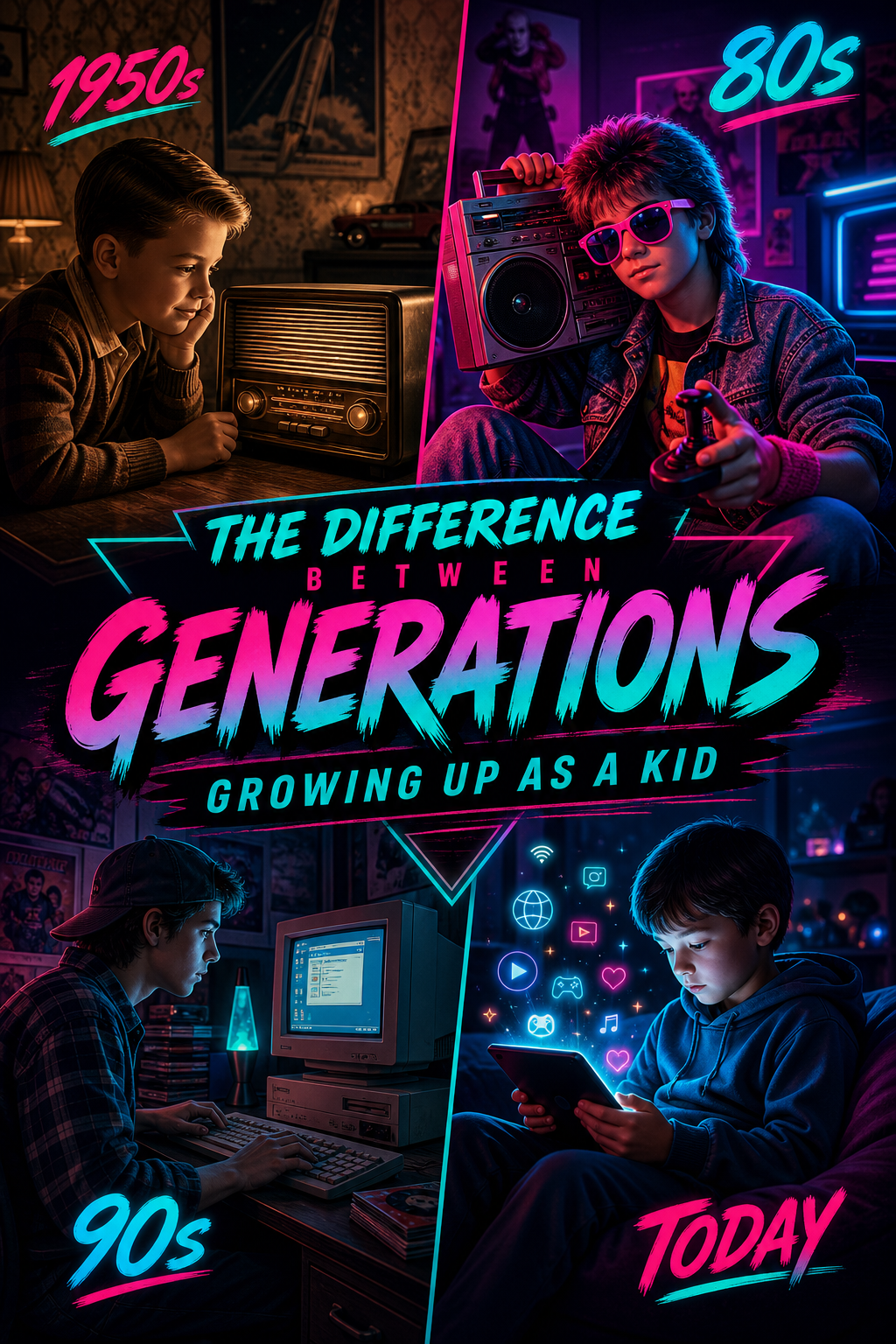
Picture this: you’re swapping stories about Saturday‑morning cartoons, and your kid is scrolling through short‑video feeds while you’re still trying to remember dial‑up. Every generation’s childhood is a mirror of the world it grew up in, war, recessions, pandemics, and the tech that defined each era. We’re here to break down the difference between generations growing up as a kid, from the Silent Generation to Generation Alpha. You’ll see how technology, major events, and parenting styles shaped the way kids played, learned, and grew up.
This isn’t just a list of dates. It’s a look at what made each generation’s childhood unique. And maybe you’ll spot your own memories along the way.
Table of Contents
-
The Generations Defined: Timelines and Labels
-
Technology and Media: The Shapers of Childhood
-
Major Historical Events: War, Recession, and Pandemic
-
Parenting Styles and the Growing Independence Gap
-
Frequently Asked Questions
-
Conclusion
The Generations Defined: Timelines and Labels
To understand the difference between generations growing up as a kid, we need a common starting point. Generations aren’t just arbitrary groups, they’re cohorts shaped by the same historical forces. Here’s a quick breakdown:
-
The Lost Generation (born 1883, 1900): Came of age during World War I and the Spanish Flu. Their childhood was marked by scarcity and loss.
-
The Greatest Generation (1901, 1927): Grew up during the Great Depression and fought in World War II. They learned to make do with almost nothing.
-
The Silent Generation (1928, 1945): Born into the aftermath of the Depression and WWII. They were taught to work hard and keep quiet.
-
Baby Boomers (1946, 1964): The post‑war baby boom. They enjoyed economic growth, rock ’n’ roll, and the civil rights movement.
-
Generation X (1965, 1980): The latchkey kids. They grew up with music video television, the threat of nuclear war, and increasing divorce rates.
-
Millennials (1981, 1996): Digital pioneers. They saw the internet go from dial‑up to broadband and experienced 9/11 and the Great Recession.
-
Generation Z (1997, 2012): True digital natives. Their childhoods were shaped by smartphones, social media, and post‑9/11 security.
-
Generation Alpha (2013, 2025): The COVID‑19 generation. They were born into a hyper‑connected world with screens from birth.
According to the Library of Congress guide on generational research, these ranges help marketers and historians see patterns. But the real story is in what daily life looked like. For the Silent Generation, that meant rationing and chores. For Gen X, it meant walking to school alone and playing outside until the streetlights came on. For Millennials, it meant dial‑up internet and waiting for a computer to load. And for Generation Alpha, it means tablets as pacifiers and online school as normal.
What’s fascinating is how fast things changed. Just three decades separate Gen X from Gen Z, but the defining tech went from a single music TV channel to a fully immersive digital universe. That’s a huge jump in how kids experience the world.
Key Takeaway: Each generation’s childhood is anchored by a defining event or technology, making the difference in growing up as a kid far more than just different TV shows.
Technology and Media: The Shapers of Childhood
Technology is probably the biggest driver of the difference between generations growing up as a kid. Think about it: a Boomer’s childhood had three TV channels and a rotary phone. A Gen Z kid grew up with video-sharing sites, streaming services, and a smartphone that knew where they were at all times. Let’s break it down.
The a well-known article on generational differences notes that Baby Boomers had the Beatles, while Gen X grew up with a dedicated music television channel, and Gen Z worships online video creators. That shift from mass media to niche creators changed how kids formed their identities. Boomers all watched the same shows and listened to the same radio hits. By the time Millennials hit their teens, they could curate their own playlists on early file-sharing services and later on streaming platforms. Gen Z parents probably don’t remember a world without on‑demand content, but that’s exactly what molded them.
For Gen X, that music television channel wasn’t just music, it was a cultural hub. You’d watch “Total Request Live” and talk about it at school the next day. That shared experience is something younger generations might not get. Today, everyone watches different things on different platforms. There’s no one show that every kid watches.
And then there’s the internet itself. Millennials remember the sound of a dial‑up modem and having to wait for a page to load. Gen Z can’t imagine a world without instant answers. Generation Alpha doesn’t even know a world without touchscreens. This acceleration affects not just entertainment but how kids learn and socialize. Screen time has replaced outdoor play for many, and that’s a big part of the difference between generations growing up as a kid.
Pro Tip: If you want to understand a generation’s media habits, look at what they watched before age 10. That often sets their nostalgia trigger for life.
But it’s not just about screens. The music, movies, and toys also tell a story. Boomers played with hula hoops and fashion dolls. Gen X had action figures from a popular sci‑fi franchise and early video game consoles. Millennials had handheld gaming devices and virtual pets. Gen Z had tablets and online battle royale games. Each era’s playthings reflect the technology available.
For a deeper look at how pop culture icons like Spider‑Man have evolved across generations, check out Spidey's Secret History: 7 Mind-Bending Facts About the Wall‑Crawler. It shows how even a single character has been reinterpreted for different audiences over time.
Major Historical Events: War, Recession, and Pandemic
Big events shape the difference between generations growing up as a kid more than anything. The Silent Generation and Greatest Generation grew up during the Great Depression and World War II. That meant scarcity, hard work, and a deep sense of duty. Kids collected scrap metal for the war effort. They grew victory gardens. They often lost parents to combat.
Baby Boomers grew up during the Cold War. They practiced “duck and cover” drills and feared nuclear annihilation. But they also saw the civil rights movement and the space race. That mix of fear and hope created a generation that believed they could change the world.
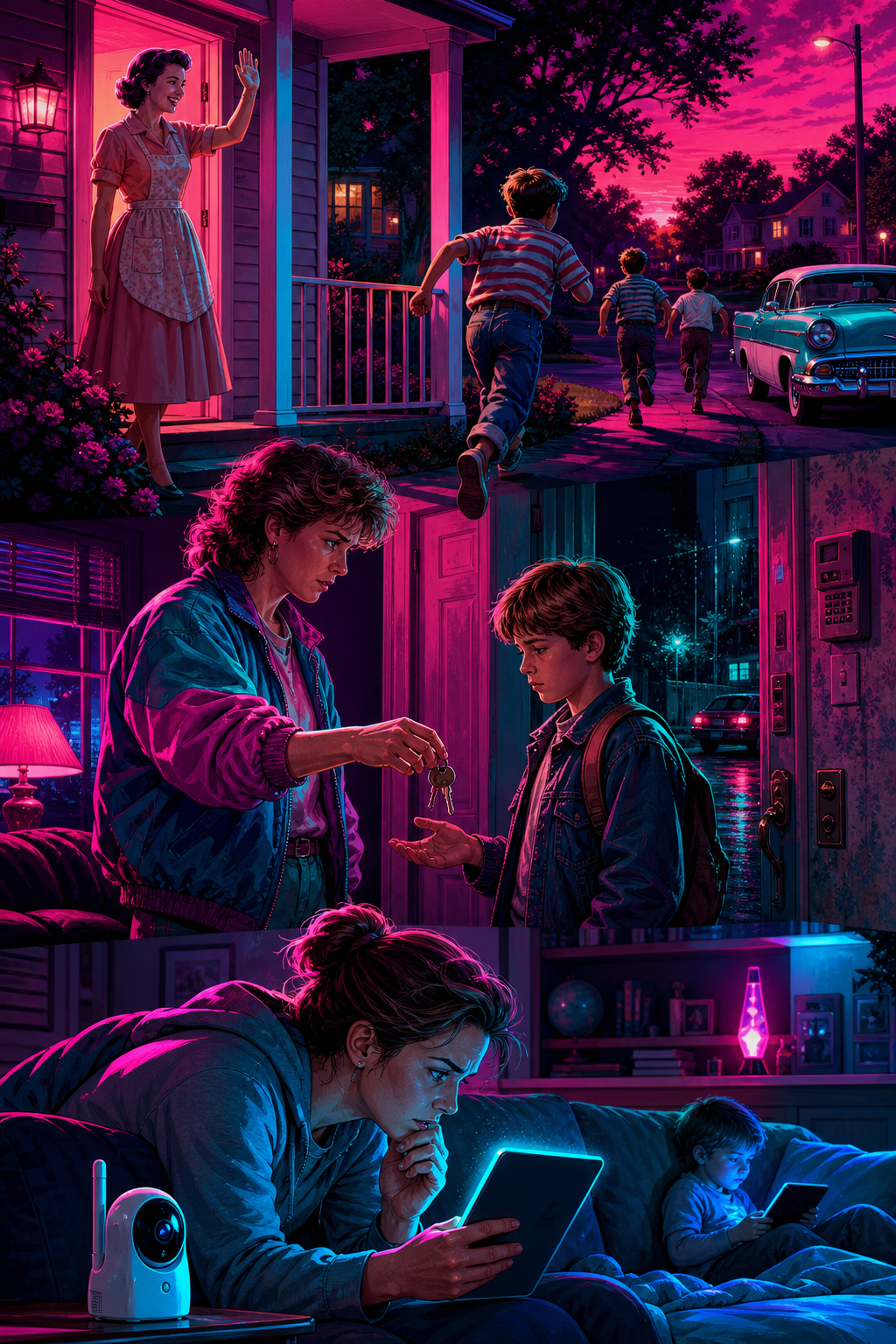
Gen X saw the fall of the Berlin Wall and the end of the Cold War. But they also witnessed the AIDS crisis and rising divorce rates. Many were latchkey kids, coming home to empty houses. That independence shaped their self‑reliance. They’re often called the “forgotten generation,” but they built the tech world we live in today.
Millennials came of age during 9/11 and the Great Recession. Those events defined their outlook: security became a concern, and economic stability seemed out of reach. Many delayed marriage and buying homes. This generation also saw the rise of the internet and social media, which connected them but also brought new pressures.
Gen Z grew up in a post‑9/11 world with constant security alerts and the war on terror. Then came COVID‑19, which disrupted education and social life for years. For Generation Alpha, the pandemic is their defining event, they started school online, wore masks, and limited travel. This is a stark contrast to the post‑war optimism of their grandparents.
The Library of Congress guide also notes that cultural milestones are heavily recorded for Millennials and Gen Z, showing how recent events dominate our narrative. But every generation has its trauma. The difference is how that trauma shapes their worldview.
If you’re interested in how nostalgia helps us process these events, visit Welcome to Let's Run It Back: A Journey Through Nostalgia. It’s a great companion piece for understanding why we look back so fondly.
76 millionBaby Boomers were born in the US, making them the largest generation until Millennials.
Parenting Styles and the Growing Independence Gap
Another key difference between generations growing up as a kid is how they were parented. Back in the 1940s and 50s, kids had a lot of freedom. They roamed neighborhoods, played without adult supervision, and walked to school alone. By the 1980s, that changed. “Stranger danger” scares and media coverage of kidnappings made parents more protective. Helicopter parenting became the norm for Millennials. For Gen Z, parents used tracking apps and constant communication.
This shift affects independence. A Boomer kid might have been responsible for cooking dinner at age 10. A Millennial kid might have had a scheduled playdate. A Gen Z kid might have never walked to the park alone. Each generation has a different idea of “being grown.”
There’s a famous skit on social media where a dad responds to his son saying “I’m grown” by demanding rent. That joke resonates because we all know the gap is real. The difference between generations growing up as a kid also means different expectations of maturity. Boomers grew up fast out of necessity. Gen X figured things out on their own. Millennials got trophies for participation. Gen Z gets trophies for showing up to the livestream.
Economically, Gen X and Millennials had to hustle. Gen X invented the side hustle. Millennials turned it into a gig economy. Zillennials and Gen Z are taking it further with dropshipping and influencer careers. This entrepreneurial drive comes from witnessing economic instability. They don’t trust traditional jobs. They saw their parents get laid off.
For a business perspective on reaching these different generations, smart segmentation can make nostalgia content resonate with the right audience.
And if you’re building a subscription business around nostalgic products, tools are available to retain customers based on their generational preferences. Understanding these differences helps keep fans engaged.
The independence gap also shows in daily life. Kids today often have scheduled activities and less free play than previous generations. That’s not necessarily bad, it’s just different. But it does change the childhood experience.
Key Takeaway: The way parents raise kids has shifted from training for survival to preparing for a complex, connected world. Each generation’s parenting style reflects the anxieties of its time.
Frequently Asked Questions
What is the difference between generations growing up as a kid in terms of technology?
Technology is the biggest divider. The Silent Generation grew up with radio and newspapers. Baby Boomers had black‑and‑white TV. Gen X had cable and VCRs. Millennials got the internet and cell phones. Gen Z had smartphones and social media. Generation Alpha is growing up with tablets and AI. Each step changed how kids learned, played, and socialized. The pace of change is accelerating: Gen X saw cable TV, while Gen Z uses streaming only.
How did major historical events shape the difference between generations growing up as a kid?
Events like the Great Depression, World War II, the Cold War, 9/11, and the COVID‑19 pandemic left marks on each generation. War and recession taught older generations to be frugal and resilient. The pandemic isolated Gen Alpha and Gen Z, affecting their social skills. Millennials and Gen Z also witnessed economic downturns that shaped their career expectations. These events create collective memories that define a generation’s outlook.
Why is the difference between generations growing up as a kid important to understand?
Understanding these differences helps us communicate better, market more effectively, and parent more thoughtfully. It explains why your parents don’t get your job, or why your kids seem glued to screens. It also fosters empathy: each generation faced unique challenges. For brands, it’s important for targeting nostalgia. For families, it bridges gaps. And for society, it shows how we’ve evolved.
What are the key differences in parenting styles across generations?
Older generations were more hands-off due to necessity. Kids had more freedom and responsibility. Baby Boomers’ parents were strict but allowed independence. Gen X’s parents were often absent due to work, leading to latchkey kids. Millennials’ parents became more protective, micromanaging activities and safety. Gen Z’s parents use technology to track and communicate constantly. Generation Alpha’s parents are handling a hyper‑connected world with concerns about screen time.
What toys or games define each generation’s childhood?
The Greatest Generation played with simple toys like marbles and wooden blocks. Baby Boomers had fashion dolls and action figures. Gen X loved sci-fi movie figures, early video game consoles, and tabletop role-playing games. Millennials grew up with handheld gaming devices, digital pet toys, and trading card games. Gen Z had tablets, sandbox video games, and battle royale games. Generation Alpha plays with video games and digital toys. The shift from physical to digital play is a major marker of generational change.
Which generation had it the hardest growing up?
Hard to say. The Greatest Generation and Silent Generation faced world wars and depression. That’s a lot of trauma. But later generations have their own struggles: Millennials bear the burden of student debt and housing crises. Gen Z deals with social media pressure and climate anxiety. Gen Alpha lived through a pandemic and now faces a world of digital overload. Each era has its own form of hardship.
How does the difference between generations growing up as a kid affect their values as adults?
Values are deeply tied to childhood experiences. The Silent Generation values discipline and frugality. Baby Boomers value optimism and social change. Gen X values independence and work‑life balance. Millennials seek purpose and flexibility. Gen Z prioritizes diversity and mental health. Gen Alpha, still forming, may value connection and digital fluency. These values drive everything from politics to purchasing decisions.
Are the differences between generations exaggerated?
Somewhat. Stereotypes can be reductive. Not every Boomer is a tech‑phobe, and not every Gen Z kid lives on a short-video platform. But patterns do emerge from data. Educational resources point out that generations are a useful lens, not a strict rule. The real difference is in the context: the same age but different world. So while we generalize, we should also remember individual experiences vary.
Conclusion
We’ve walked through the big forces that shaped each generation’s childhood. From the wartime scrap‑metal drives of the Greatest Generation to the pandemic Zoom calls of Gen Alpha, the difference between generations growing up as a kid is a story of adaptation. Technology accelerated at a dizzying pace. Major events left their scars. Parenting shifted from survival to supervision.
But there’s one constant: kids are kids. They play, they dream, they rebel, they love. The wrappers change, but the candy inside stays the same. Understanding these differences helps us connect with our own past and with the younger people around us. It also helps brands and creators like LRIB Nation craft content that genuinely resonates. We’re in the business of keeping nostalgia alive, after all.
So next time you hear a kid say something that sounds foreign, remember: that’s just their generation’s way of making sense of the world. And maybe they’ll look back on their TikTok days with the same fondness you have for your Saturday morning cartoons.
For more deep dives into nostalgic culture, explore We've Found a Kindred Spirit: A Deep Look at the 'When It Was Cool' Nostalgia Universe and join the community over at LRIB Nation Community.
Comments (0)
Sign in to join the discussion.