The History of Hanna‑Barbara: How a Studio Shaped Saturday Mornings
The buzz of a cartoon fanfare, the smell of fresh cereal, and a fuzzy TV screen , that was Saturday morning for a whole generation. We grew up with Fred, Scooby, and the Jetsons, and the studio behind them still whispers in pop culture today. In this guide we’ll walk through the history of Hanna‑Barbera, break down the tricks that let them churn out 1,200 hours of animation, and explain why the studio’s legacy still matters for us nostalgic fans.
Table of Contents
-
From MGM to the Small Screen: The Birth of a Cartoon Empire
-
The Golden Age: Saturday Mornings Were Never the Same
-
The Hanna‑Barbera Sound: Why We Still Hum Those Themes
-
Why It Still Hits: The Lasting Legacy of Hanna‑Barbera
-
FAQ
-
Conclusion
From MGM to the Small Screen: The Birth of a Cartoon Empire
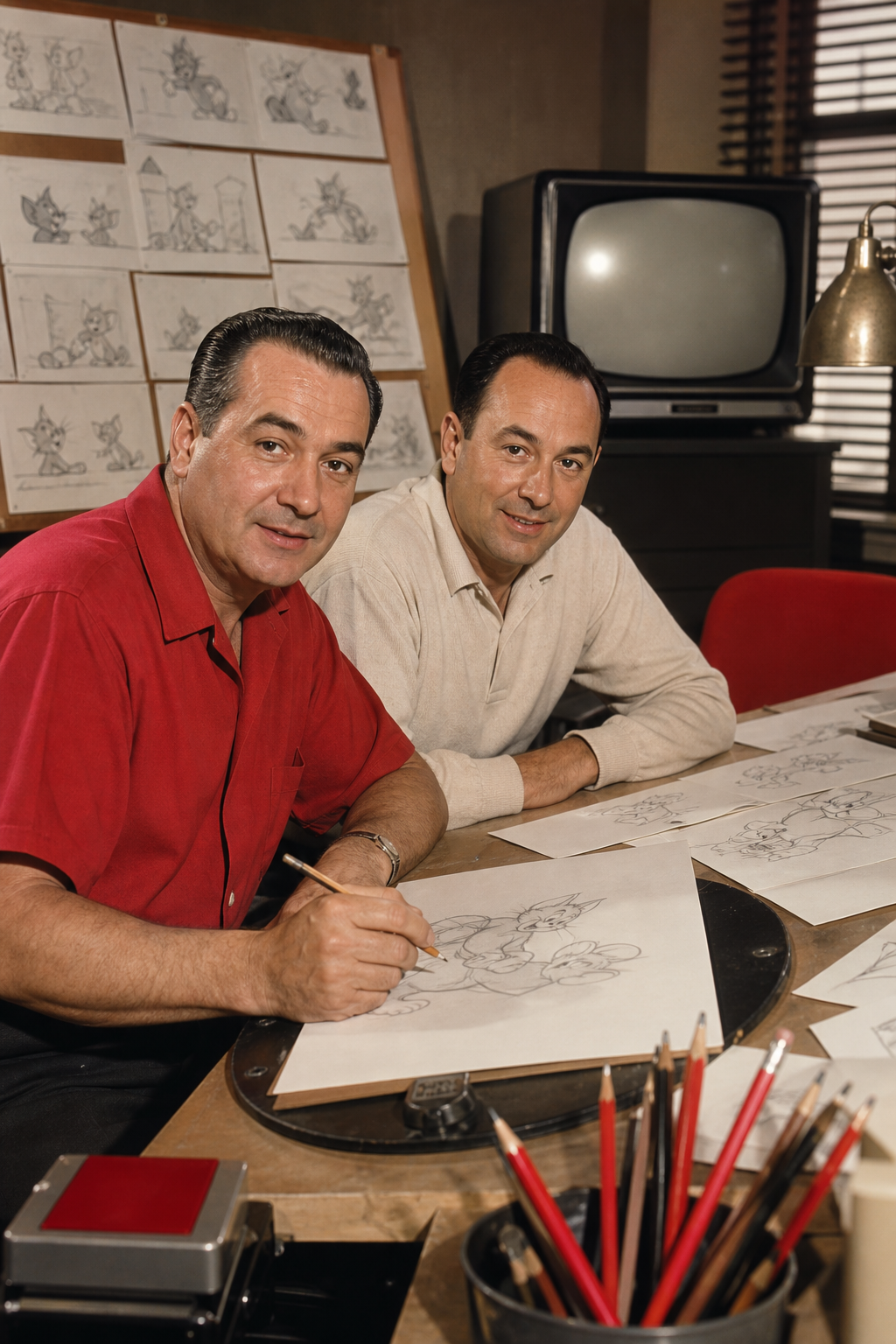
William Hanna and Joseph Barbera first met at MGM’s animation department, where they animated the cat‑and‑mouse duo Tom and Jerry. By the late 1950s the studio was cutting back on theatrical shorts, and the pair faced a crossroads. Instead of walking away, they seized TV’s untapped potential and founded Hanna‑Barbera Productions in 1957. Their first series,The Huckleberry Hound Show , debuted in 1958 and proved that limited‑animation could keep costs low while still delivering charm.
Limited‑animation meant re‑using backgrounds, simplifying character movements, and focusing on strong voice work. The technique was controversial , critics called it “cheap” , but it let the studio produce a full hour of content for the price of a half‑hour sitcom. Wikipedia explains the method and why it became a staple of TV cartoons.
Hanna‑Barbera’s early success hinged on three choices: a partnership that already knew how to deliver laughs, a willingness to experiment with a new medium, and a knack for building characters that kids could love at first sight. Huckleberry Hound’s sleepy drawl, Yogi Bear’s mischievous grin, and Quick Draw McGraw’s cowboy swagger each became instant audience magnets.
Key Takeaway: The studio’s jump from MGM to TV was less a gamble and more a calculated pivot that turned cost‑saving tricks into a cultural engine.
And the momentum didn’t stop there. By 1960, the studio launched The Flintstones , a prime‑time sitcom set in a stone‑age suburb. It was the first animated series aimed at adults, proving the studio could break out of the children‑only box. Wikipedia’s Flintstones page notes the show’s 1960 debut and its role in reshaping TV programming.
When we think about the birth of this empire, we should picture a cramped office, a stack of storyboards, and a radio playing the theme from The Huckleberry Hound Show. The studio’s founders were carving a new path, and the rest of us were about to tune in.
And that early spark set the stage for a flood of shows that would dominate Saturday mornings for decades.
The Golden Age: Saturday Mornings Were Never the Same
By the early 1960s, the studio’s roster had swelled. Shows like Top Cat(1961),The Jetsons(1962), and Jonny Quest(1964) each carved a niche. Networks bought blocks of cartoons, and kids across America set their alarms to catch the first 30‑minute slot.
One reason the lineup felt unstoppable was the studio’s syndication model. In 1966 Taft Broadcasting bought Hanna‑Barbera for $12 million, giving the studio a distribution backbone that could push shows into every major market. That deal also funded new productions and helped the studio experiment with longer formats, like the 90‑minute Banana Splits Adventure Hour.
Show| First Air Year| Notable Fact
---|---|---
The Huckleberry Hound Show| 1958| First cartoon to win an Emmy
The Flintstones| 1960| First prime‑time animated sitcom
Jonny Quest| 1964| Early adventure series with realistic science
Scooby‑Doo, Where Are You?| 1969| Spawned a franchise still running today
The Smurfs| 1981| International hit that crossed language barriers
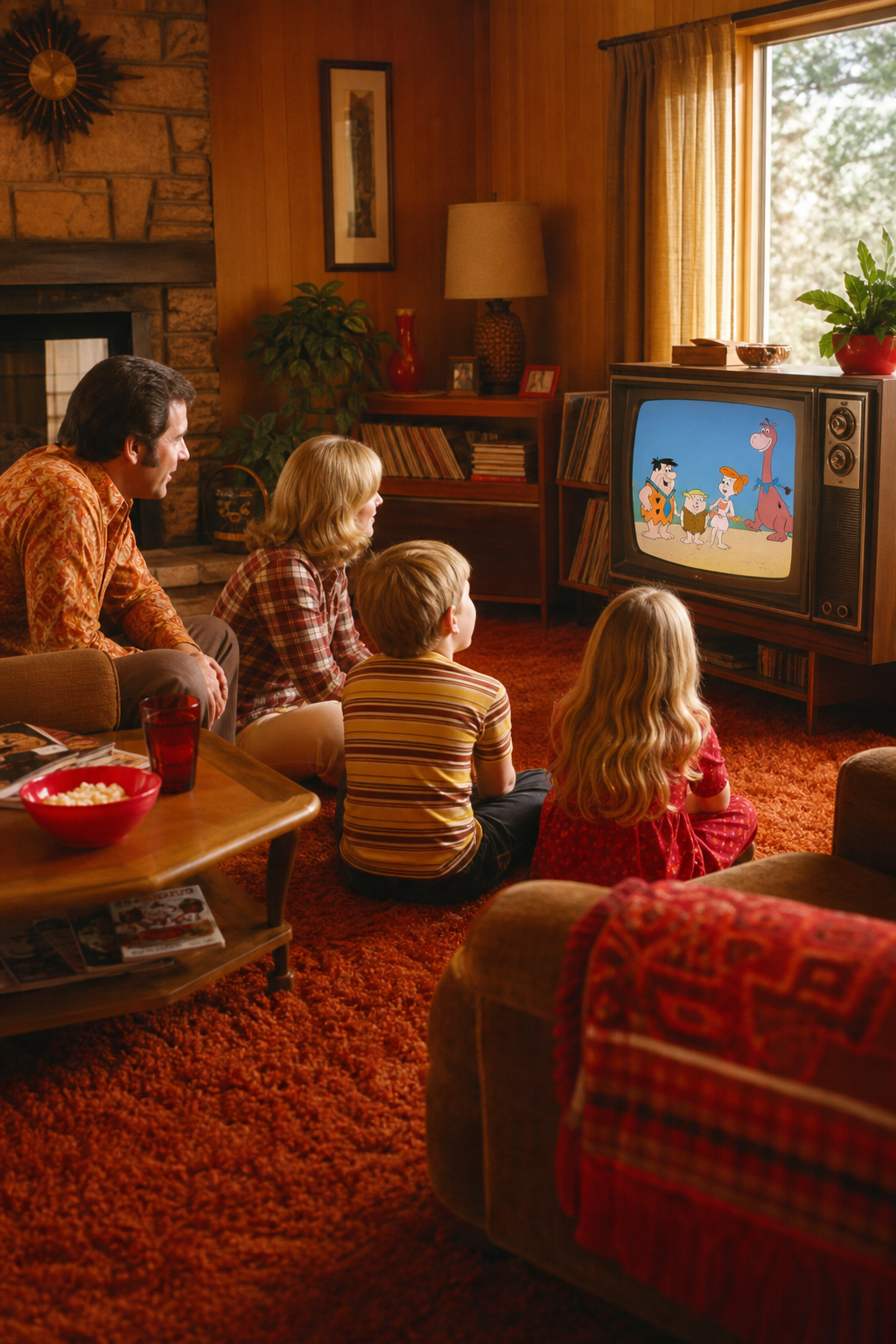
Kids would gather around the TV, cereal bowls in hand, and watch the same episodes over and over. That repetition turned characters into friends. Fred Flintstone’s “Yabba‑Dabba‑Do!” became a catch‑phrase; Scooby’s goofy howl made the night feel less scary.
Pro Tip: When you want to feel that Saturday‑morning rush again, check out the LRIB Videos page for curated episodes and deep‑dive retrospectives.
And the studio kept churning out hits through the ’70s and ’80s.Super Friends gave us a heroic team of caped crusaders, while The Smurfs turned blue villagers into a global phenomenon. Even shows like Hong Kong Phooey(1974) and Jabberjaw(1976) found a place in the weekend lineup.
Behind the scenes, the studio’s production pipeline became a well‑oiled machine. Scripts were written, voice actors recorded, and animators assembled the limited frames. The process allowed a single team to deliver dozens of episodes a year, a feat that would have been impossible with full animation.
We can still hear the echo of those cartoon intros on streaming services today. The golden age set the template for how kids consume animation, and it turned Saturday mornings into a cultural ritual.
That ritual lives on, even as the way we watch changes.
The Hanna‑Barbera Sound: Why We Still Hum Those Themes
Music was the secret sauce that made each show instantly recognizable. Composers like Hoyt Curtin crafted catchy, four‑note motifs that could be hummed minutes after the opening credits. The Flintstones theme, with its jazzy beat, set the tone for a sitcom in the stone age. The Scooby‑Doo intro, with its spooky organ riff, promised mystery and laughs.
These themes weren’t just background noise; they were branding tools. A child could close their eyes and hear the first few bars, instantly picturing a dinosaur‑riding Jetson or a detective dog. The melodies were simple enough for a kid to sing, yet sophisticated enough to stay fresh after repeat airings.
When Cartoon Network launched in 1992, it inherited a library of these tunes. The network even built a “Cartoon Cartoons” block that replayed the classic intros, letting a new generation feel the same goosebumps.
Today, streaming platforms still use the original scores for nostalgic re‑releases. The themes have been sampled in hip‑hop tracks, used in commercials, and even remixed on YouTube , a testament to their staying power.
And the sound design went beyond music. Voice actors like Don Messick (who voiced Scooby) and Daws Butler (who voiced Yogi) gave each character a unique vocal fingerprint. Those voices still pop up in memes and parodies, keeping the studio’s spirit alive.
Key Takeaway: A strong musical hook can turn a cartoon into a cultural anthem that lasts for generations.
We see this pattern today in modern animation, where a memorable theme can launch a franchise on its own. Hanna‑Barbera set that standard decades ago.
Why It Still Hits: The Lasting Legacy of Hanna‑Barbera
Fast forward to the 1990s. Turner bought the studio for $320 million, merging it with Warner Bros. and spawning Cartoon Network, the first channel dedicated entirely to cartoons. That move gave the library a new home and a new audience.
Legacy isn’t just about reruns. The studio’s characters have been rebooted for new media:Scooby‑Doo got a live‑action/CGI hybrid in 2002,The Flintstones turned into a 1994 live‑action film, and The Powerpuff Girls(originally a Cartoon Network original that inherited the Hanna‑Barbera style) launched a 2016 reboot that paid homage to the original animation cadence.
Merchandise also kept the brand alive. From Fruity Pebbles cereal featuring Fred Flintstone to modern action figures, the studio’s icons turned into marketable symbols. Even today, fans create fan art, podcasts, and YouTube deep‑dives — like the @LetsRunItBack channel and our exploration of the 'When It Was Cool' nostalgia universe — that keep the conversation going.
From a business perspective, the studio pioneered the syndication model that many modern streaming services mimic: produce a large catalog, own the rights, and license it across platforms. That model proved profitable for decades and still informs how content libraries are built.
On a personal level, the shows taught us teamwork, curiosity, and a love of slapstick humor. They gave us a shared language , “Yabba‑Dabba‑Do!” still feels like a secret handshake among Gen X and older Millennials.
Pro Tip: Want to revisit the classics? Search for "Hanna‑Barbera DVD collection" on eBay; you’ll often find box sets priced between $20‑$40, a cheap way to own the originals.
And while the studio’s name was folded into Warner Bros. Animation, the creative DNA lives on in every cartoon that values bright characters, simple storytelling, and a catchy tune.
FAQ
What made Hanna‑Barbera’s animation style different from Disney?
Hanna‑Barbera used limited‑animation, re‑using backgrounds and minimizing frame‑by‑frame drawing. This cut costs and let them produce many episodes quickly. Disney, by contrast, favored full animation with fluid movement, which required larger budgets and longer production times. The trade‑off gave Hanna‑Barbera a distinct, stylized look that audiences still recognize.
How did the studio’s ownership changes affect its output?
Each corporate shift opened new distribution channels. Taft’s 1966 purchase gave the studio national reach, while Turner’s 1991 acquisition created Cartoon Network, providing a dedicated home for its library. These moves kept the studio’s shows in front of audiences long after the original air dates.
Why is The Flintstones considered a breakthrough?
The Flintstones debuted in prime‑time in 1960, targeting adult viewers with sitcom‑style jokes and relatable family dynamics. It proved that animation could thrive outside the Saturday‑morning slot and set the stage for future prime‑time cartoons.
Which Hanna‑Barbera show won the first Emmy for an animated series?
The Huckleberry Hound Show earned the 1959 Emmy for Outstanding Children’s Program, marking the studio’s early critical recognition and cementing its reputation for quality.
How did limited‑animation affect storytelling?
Because the visuals were simpler, writers leaned on strong dialogue and character personalities to drive plots. This focus on script and voice work made the shows witty and memorable, a formula still used in many modern animated sitcoms.
Where can I watch classic Hanna‑Barbera cartoons today?
Many titles are available on streaming services like HBO Max and Boomerang. Physical media options include DVD box sets, and fan communities often share episodes on legal platforms. The LRIB Nation YouTube channel also posts retrospectives and episode analyses.
Conclusion
From a modest MGM offshoot to a cultural juggernaut, the history of Hanna‑Barbera is a story of clever shortcuts, bold risks, and timeless characters. The studio’s limited‑animation tricks turned budget constraints into a signature style, while its catchy themes turned jingles into ear‑worms. Corporate deals gave the cartoons a broader stage, and today we still hear the echoes in streaming playlists and fan‑made memes.
For us at LRIB Nation, those cartoons aren’t just nostalgia; they’re a shared language that still brings us together. So next time you hear a familiar riff or see a familiar stone‑age family, remember the studio that made it all possible. Keep the nostalgia alive, strap in, and run it back whenever you need a quick trip to the past.
Comments (0)
Sign in to join the discussion.