90s Fashion Trends Recap: 10 Looks We All Wore
Close your eyes for a second. You're standing in a mall circa 1993, the smell of Cinnabon thick in the air, and every single person walking by is wearing something you'd recognize instantly. That decade had a look. Actually, it had about ten looks, all existing at the same time, often on the same person. Here's our full 90s fashion trends recap, broken down by the subcultures and signature pieces that defined the era. For the ultimate deep‑dive, swing by LRIB Nation – the internet’s nostalgia vault for everything 90s.
Table of Contents
-
1. Grunge Flannel Revival
-
2. Oversized Flannel Shirts and the Grunge Uniform
-
3. Crop Tops, Slip Dresses, and the Minimalist Silhouette
-
4. Chunky Platform Shoes and White Sneakers
-
5. Chokers, Scrunchies, and the Accessories We Hoarded
-
6. Hip-Hop Style , Baggy Jeans, Logo Tees, and Tracksuit Attitude
-
7. Preppy and Boy-Band Looks , Polo Shirts, Khakis, and Frosted Tips
-
8. Hair and Makeup Trends , Butterfly Clips, Brown Liner, and Bold Lips
-
9. The Worst of the 90s , Mood Rings, Jelly Shoes, and Plastic Windbreakers
-
10. Rave and Festival Fashion , Neon, Platform Boots, and Butterfly Tops
-
How TV Shows and Music Icons Drove Every Trend
-
FAQ
-
Conclusion
1. Grunge Flannel Revival
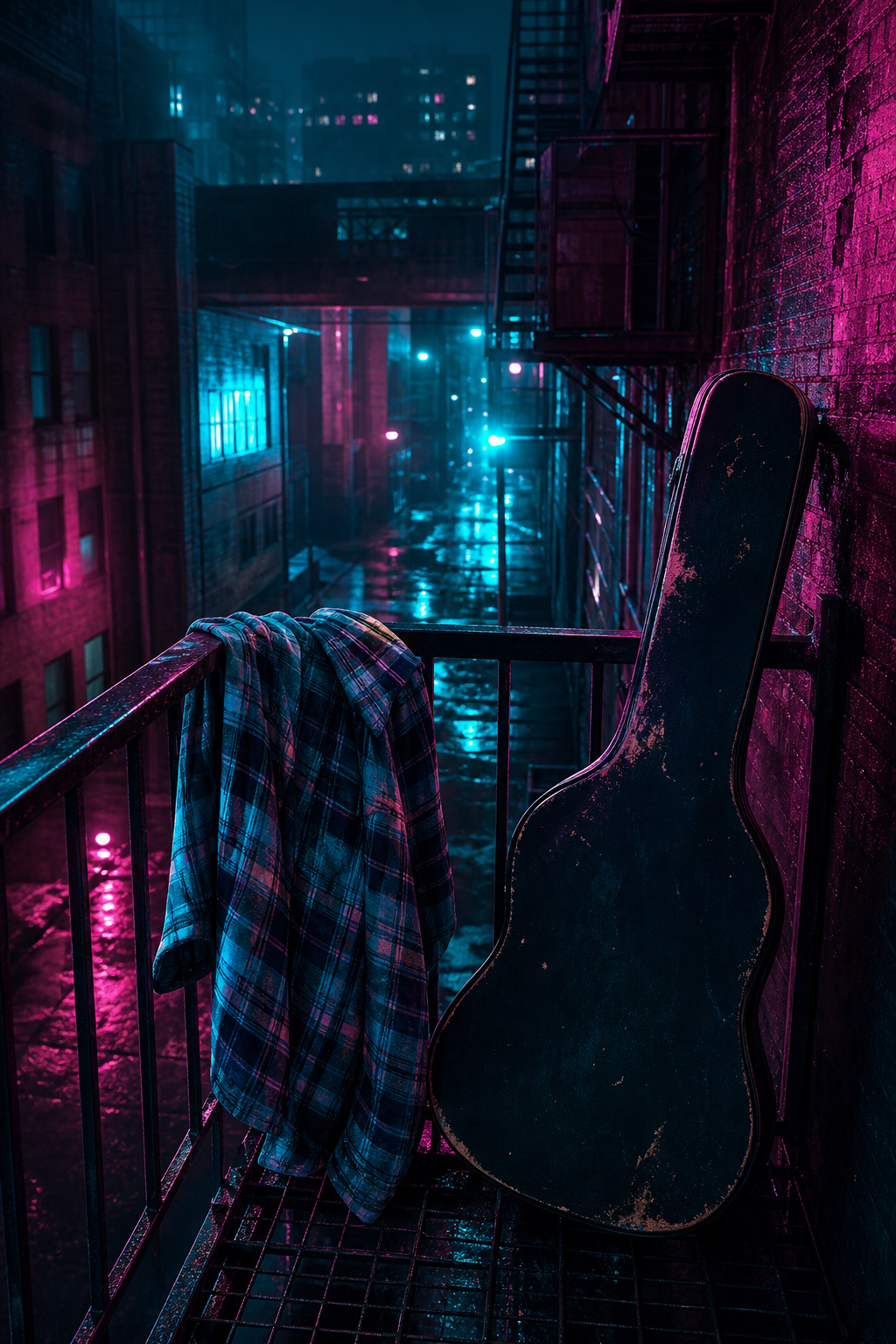
The grunge flannel revival roared back in the late 2010s, but its roots are pure 90s gold. Seattle’s rain‑slick streets birthed a uniform of oversized plaid shirts, ripped denim, and scuffed boots—an anti‑fashion statement that screamed authenticity. Today’s kids dig that same gritty vibe, pairing vintage flannels with modern streetwear for a look that feels both nostalgic and fresh.
Key pieces? Think heavyweight plaid button‑downs worn open over band tees, distressed straight‑leg jeans that look like they’ve survived a tour bus, and chunky combat or Doc Martens that could crush a cement slab. Layer a slouchy beanie or a battered baseball cap, and you’ve nailed the non‑chalant rebel aesthetic that defined Gen‑X’s teenage rebellion.
The revival isn’t just about clothing; it’s a cultural echo. When a Nirvana vinyl spins on a turntable, the same grunge energy spikes across TikTok feeds, turning thrift‑store finds into runway buzz. Designers from high‑end houses to fast‑fashion giants have ripped the pattern, proving the flannel’s staying power.
One thing to remember: this isn’t a costume. It’s a mindset—embrace the lived‑in feel, let the shirt hang a little too long, and let the denim tell its own story.
2. Oversized Flannel Shirts and the Grunge Uniform
Grunge wasn't designed. It was what happened when musicians in Seattle couldn't afford anything else. The aesthetic grew directly out of the Pacific Northwest music scene in the late 1980s, with bands like Nirvana, Soundgarden, and Pearl Jam wearing what they had: flannel shirts, ripped jeans, and heavy boots.
Kurt Cobain wore a flannel on national TV. Eddie Vedder showed up in army surplus. Nobody was coordinating. And that's exactly why it spread so fast. The look felt real in a way that the polished 80s silhouette didn't.
The signature pieces were flannel worn open over a band tee, jeans worn until they fell apart, and Doc Martens or chunky boots. Women added slip dresses layered over long-sleeve tees, a combination Courtney Love made into its own aesthetic. A grunge‑inspired collection hit a major fashion runway in 1993 and caused a genuine industry uproar. Within a year, every mainstream retailer had their own version of the look.
If you only wore one flannel and called it a day, you were doing the most in the most grunge way possible.
3. Crop Tops, Slip Dresses, and the Minimalist Silhouette
The 90s minimalist silhouette was a direct reaction to the excess of the 80s. Brands like Calvin Klein, Prada, and Jil Sander stripped everything back. Muted palettes. Clean cuts. Nothing extra. The slip dress became the decade's most versatile piece. You wore it out at night, or you threw a white tee underneath it for daytime, and somehow it worked both ways.
Crop tops had a bigger cultural moment in the 90s than most people realize. Before the decade, they were fringe. Janet Jackson wore them constantly, short turtleneck crops with high‑waisted jeans. Lisa Bonet wore cropped blazers belted over denim. The look felt effortless in a way that took actual effort to pull off.
The slip dress is also the one piece in our research that shows up more than any other across 90s trend datasets. It crossed subcultures. Grunge wore it with boots. Minimalists wore it alone. It was genuinely everywhere.
Key Takeaway: The minimalist silhouette worked because it had almost no rules , a slip dress or a crop top could travel from subculture to subculture without changing.
4. Chunky Platform Shoes and White Sneakers
Two kinds of feet ruled the 90s. The first wore white sneakers, clean and oversized, often Adidas or a similar athletic brand, paired with pretty much everything. The second wore platform shoes with soles thick enough to use as a step stool. The Spice Girls made platform boots into a cultural statement. Chunky‑soled sneakers became status items. Even Mary Janes got a platform version.
White sneakers were the more democratic choice. They worked with the sitcom girl outfit, the grunge outfit, and the hip‑hop outfit. The formula was simple: plain tee, high‑waisted jeans, oversized open shirt with sleeves rolled up, white sneakers, and an over‑the‑shoulder bag. That was the look. The sneaker was non‑negotiable.
Platform shoes had a shorter peak but a louder one. Mid‑decade through about 1996 was the sweet spot, which lines up with our research showing most 90s trends clustered hard in the early‑to‑mid part of the decade. Platforms faded toward Y2K, replaced by chunky sneakers that felt sportier.
Today's chunky "dad sneaker" owes more to the 90s than most brands will admit.
5. Chokers, Scrunchies, and the Accessories We Hoarded
The 90s accessories tier was its own economy. Scrunchies came in every fabric. Butterfly clips were sold in packs of fifty. Chokers showed up in three distinct versions , the velvet ribbon, the tattoo lace, and the plastic spiral ones from the mall kiosk , and every single one of them was correct at the time.
The choker was the decade's most versatile accessory. They felt genuinely flattering in a way that was hard to explain, and the nostalgia around them has stayed strong ever since. They came back in the mid‑2010s and never fully left.
Bucket hats deserve their own mention. LL Cool J wore them. Britpop kids wore them. They crossed subcultures without belonging to any one of them. Scrunchies went the other direction , they were everywhere and then suddenly nowhere, replaced by thin elastics in the early 2000s, and then they came back so hard that they feel permanent now.
If you graduated high school with a drawer full of these things, you were a full participant in the era.
6. Hip‑Hop Style , Baggy Jeans, Logo Tees, and Tracksuit Attitude
Hip‑hop transformed everyday clothes into cultural signals. Biggie, Tupac, and LL Cool J wore work boots, bucket hats, and wool caps in ways that made those items permanent fixtures in American fashion. TLC wore combat boots and wide‑leg pants on stage. Aaliyah wore paisley bandanas tied around her head. Will Smith and the Fugees frequently wore denim dungarees on screen.
The baggy silhouette was non‑negotiable. Jeans had to have room. Jerseys had to be oversized. Tracksuits, often Adidas, became acceptable everywhere. Wide‑leg denim jeans were the extreme end of this spectrum , so voluminous that, as the crew on Good Mythical Morning joked, you could hide a full‑grown labrador retriever in one leg. They were heavy, impractical, and absolutely everywhere in the mid‑90s.
Logo tees were status pieces. Wearing the right brand said something about where you got your culture from. The look as a whole was about confidence and scale. Everything was big on purpose.
If you want a deeper read on how this era's fashion connected to the broader pop culture moment, the LRIB Nation piece on why growing up in the 90s was the best covers it well alongside the music and TV context that made the style make sense.
7. Preppy and Boy‑Band Looks , Polo Shirts, Khakis, and Frosted Tips
Not everyone was grunge or hip‑hop. A large chunk of the decade belonged to the preppy‑clean aesthetic. Polo shirts with the collar popped. Khaki pants. Zip‑up windbreakers in solid colors. This was the mall crowd, the after‑school special crowd, the crowd that shopped at Abercrombie and thought a pre‑distressed golf visor was a solid fashion choice.
Boy bands perfected this lane. Those coordinated groups wore earth tones, cargo pants, and matching jackets in their early videos. The look was inoffensive by design. It sold merchandise and made parents comfortable while still feeling like a youth statement.
Frosted tips were the hairstyle that completed the look. Bleached ends on dark hair, the more contrast the better. Devon Sawa had them. Half the NBA had them. If you got them done at a salon in 1997, you were not alone, and there is no shame in admitting it now.
Pro Tip: If you're recreating a 90s preppy look, the polo‑khaki‑white sneaker combo is the easiest to pull off today without looking like a costume , it reads as "clean" rather than "era‑specific."
8. Hair and Makeup Trends , Butterfly Clips, Brown Liner, and Bold Lips
The hair and makeup of the 90s had its own distinct logic. Butterfly clips were sold by the bag and used by the fistful, pinning sections of hair at odd angles for a look that somehow felt intentional. The fluffy blowout with bangs was the sitcom girl hairdo , think Rachel Green's layered cut, which became so famous that hairdressers still get asked for it today.
Makeup went in two directions. The minimalist lane used brown lip liner slightly outside the natural lip, sometimes worn without lipstick over it, giving that 90s matte look. The bolder lane used deep burgundy lips and heavy eyeliner. Both were correct. Drew Barrymore and Neve Campbell lived in the darker palette. Jennifer Aniston and Courteney Cox stayed in the warm neutral zone.
Dark, heavy eyeliner was also a Riot Grrrl signature, worn by figures like Courtney Love and Kat Bjelland as a deliberate subversion of feminine beauty standards. PJ Harvey experimented with electric blue eyeshadow. The decade gave you permission to do whatever you wanted with your face, as long as it had conviction.
9. The Worst of the 90s , Mood Rings, Jelly Shoes, and Plastic Windbreakers
Every decade has its cringe tier. The 90s had a particularly rich one. Mood rings promised to display your emotional state based on body temperature. They were beautiful in theory and they turned your finger green. Jelly shoes were clear plastic sandals that rubbed blisters on your heels within ten minutes of wearing. Everyone owned them. Nobody could explain why.
Plastic windbreakers in neon colors were technically functional outerwear. In practice, they made a noise with every arm movement and trapped heat in all the wrong ways. Golf visors worn backwards or sideways, as immortalized in the Good Mythical Morning deep dive on worst 90s trends, were another entry , functional for golfers, inexplicable for everyone else who wore them.
Turtlenecks had a confusing moment where they were everywhere despite being widely considered the least flattering neckline ever created. Color‑changing shirts responded to body heat, which meant your sweat patches showed in vivid contrast. Pacifier necklaces became a rave accessory. Adults wore baby pacifiers around their necks on purpose, at clubs, willingly.
We participated in all of it. That's what made it the 90s.
10. Rave and Festival Fashion , Neon, Platform Boots, and Butterfly Tops
The rave scene had its own completely separate fashion vocabulary that rarely overlapped with anything else on this list. Neon everything. Platform boots that added six inches. Butterfly tops in sheer fabrics. Goggles worn as accessories rather than eye protection. The entire look was designed for a dark room with strobes.
Industrial and nu‑metal adjacent artists pushed this further. Darker rock acts wore acid‑washed denim, leather, and platform boots in a more aggressive version of the same instinct. Nu‑metal bands wore tracksuits and wide‑leg denim as a kind of crossover between hip‑hop and metal aesthetics. Wallet chains and spiked accessories appeared across all of these subcultures.
The rave look was the one 90s style that has the least direct runway documentation in the fashion history record. Most of the surviving visual evidence comes from video footage and the kind of niche YouTube nostalgia deep‑dives that LRIB Nation covers regularly on the Let's Run It Back video channel. The goggles, the neon, the pacifier necklaces , they all lived here first.
How TV Shows and Music Icons Drove Every Trend
Fashion in the 90s moved through two channels faster than anything before it: MTV and Thursday night network TV. MTV broadcast music video aesthetics directly into living rooms, and whatever a Spice Girl or Tupac wore in a video was in stores within weeks. Thursday night NBC sitcoms did the same for the preppy‑clean look. Rachel Green's outfits on Friends moved real product. Clueless made plaid mini‑skirts a thing you could actually buy at the mall.
The research shows that cultural influence fields are documented for about 60% of tracked 90s trends, with influences ranging from high‑fashion houses like Versace to specific TV shows and musical artists. The other 40% spread through street culture and peer adoption without a clear single source. Britney Spears, the Spice Girls, and Aaliyah each created specific looks that became templates. Scary Spice wore animal print and faux fur with satin dresses, and it inspired countless women to add those items immediately.
What made the 90s different from earlier decades was the speed of diffusion. A look that appeared in a Nirvana video in February could be in a Seattle thrift store in March and a mall in Ohio by June. The decade's fashion was essentially crowd‑sourced in real time, with TV and music acting as the amplification layer.
FAQ
What were the most popular 90s fashion trends?
The most pervasive 90s fashion trends were the grunge uniform (flannel, ripped jeans, Doc Martens), the minimalist silhouette (slip dresses, crop tops, Calvin Klein basics), and hip‑hop streetwear (baggy jeans, logo tees, tracksuits). Most of these trends peaked between 1990 and 1996, with the early‑to‑mid decade being the most concentrated period of new styles emerging simultaneously across different subcultures.
Are 90s fashion trends coming back?
Yes. The slip dress never really left, and chunky sneakers, high‑waisted jeans, and crop tops have been mainstream for several years. Chokers returned strongly in the mid‑2010s. The overall minimalist 90s silhouette has been a consistent reference point on runways and in street style. What's interesting is that the modern resurgence data for many specific 90s pieces is largely undocumented, even though the operational revivals are obvious to anyone paying attention.
What did a typical 90s girl outfit look?
A typical 90s girl outfit depended entirely on which subculture she was in. The sitcom girl wore high‑waisted jeans, a plain tee, an oversized open shirt with rolled sleeves, white sneakers, and an over‑the‑shoulder bag. The grunge girl wore a slip dress over a long‑sleeve tee with chunky boots. The hip‑hop influenced girl wore baggy pants and a cropped top. All three looked completely different and were all correct simultaneously.
What accessories defined 90s fashion?
Chokers, scrunchies, and butterfly clips were the three most ubiquitous accessories of the decade. Beyond those, bucket hats crossed multiple subcultures, wide‑leg jeans were a signature piece of the nu‑metal and rave scenes, and over‑the‑shoulder bags became the default carry for the preppy‑minimalist crowd. Mood rings and jelly shoes belong in the cringe category but were genuinely everywhere in the early part of the decade.
What was the grunge fashion look in the 90s?
Grunge fashion meant flannel shirts worn open over band tees, ripped or worn‑out straight‑leg jeans, Doc Martens and chunky boots, and oversized silhouettes across the board. For women, slip dresses layered over long‑sleeve tees added a feminine counterpoint to the heavy hardware. The palette was dark: black, forest green, charcoal, washed grey. Nothing was supposed to look new, and the more lived‑in the pieces looked, the more authentic the outfit read.
Did TV shows really influence 90s fashion trends?
Absolutely.Friends influenced preppy‑clean daywear in a documented way.Clueless made plaid mini‑skirts mainstream. MTV moved music video aesthetics into general circulation almost in real time. Research tracking 90s fashion trends shows that TV shows and specific musical artists like Britney Spears and the Spice Girls are among the most frequently cited cultural drivers for specific looks, alongside high‑fashion houses like Versace and Marc Jacobs.
Conclusion
The 90s didn't have one look. It had ten, running simultaneously, borrowing from each other, and moving faster than any decade before it. If one item from this list made you feel something, that's the whole signal. Head over to the 10 90s Kids Memories That Still Hit Different for more of that feeling , the crew at LRIB Nation keeps these transmissions going every week. Keeping the Nostalgia Alive.
Comments (0)
Sign in to join the discussion.